.png)


 英文
英文

According to media reports, as of March 30 local time, the U.S. and Israeli military operations against Iran have entered their 31st day. With the conflict continuing to escalate, the new rules for the Strait of Hormuz have officially been implemented. Trump has set an April 6 deadline for negotiations, while the Israeli military is intensifying its offensive against Iran during the negotiation window, making the situation increasingly complex and severe.
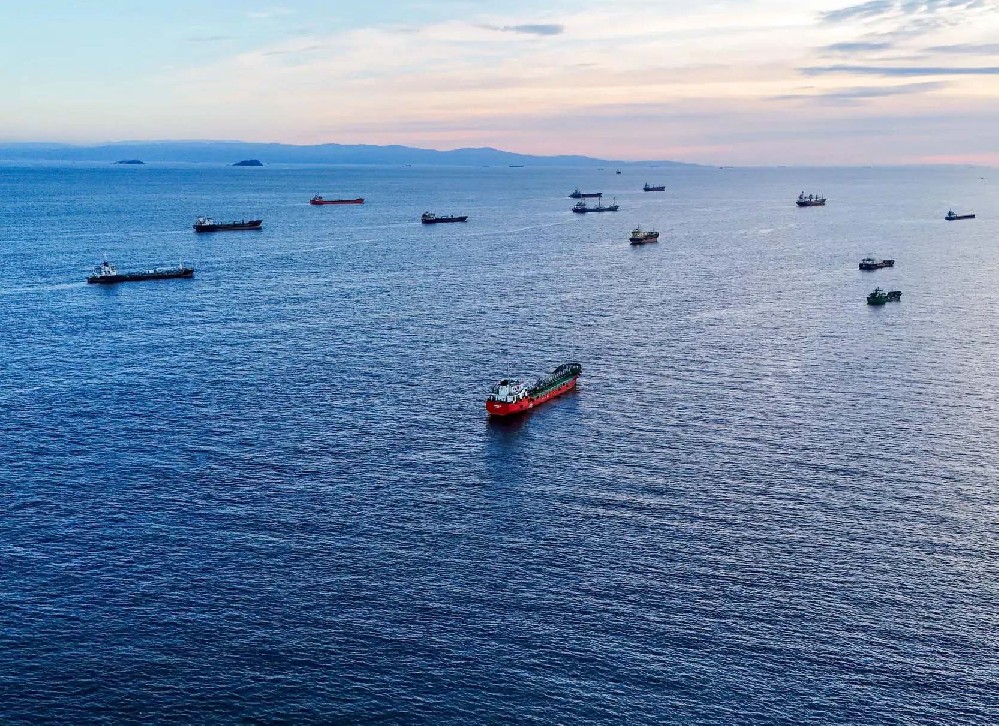
On the same day, the National Security Committee of the Iranian Parliament formally passed the Strait of Hormuz Transit Management Bill, explicitly stipulating that passing vessels will be charged a transit fee, payable in Iranian rials. At the same time, vessels from the United States, Israel, and countries imposing unilateral sanctions on Iran will be prohibited from transiting. Additionally, the bill will strengthen the Iranian armed forces' dominance over the strait and establish a legal framework in cooperation with Oman, further consolidating Iran's control over the Strait of Hormuz.
In response to Iran's new rules, the U.S. has issued a strong rebuttal. Trump explicitly demanded that an agreement be reached with Iran by April 6. He had previously announced a 10-day pause on strikes against Iranian energy facilities, after which operations would resume. He also threatened that if negotiations fail, he would completely destroy all of Iran's power plants, oil wells, and Kharg Island.
U.S. Secretary of State Rubio also stated that the U.S. would never allow Iran to permanently control the Strait of Hormuz or establish a toll system, warning that otherwise Iran would face severe consequences. He also emphasized that U.S. military objectives against Iran would be achieved within weeks, not months.
Meanwhile, the Israeli military has declared that its military strikes against Iran are entering the final stage and are shifting focus to targeting Iran's economic assets. Over the past 24 hours, the Israeli military has airstriked 170 regime targets in Iran, including some infrastructure in Tehran. However, the ongoing conflict has also put Israel in a difficult position, as its air defense systems are showing signs of resource depletion, and domestic anti-war sentiment is rising.
Notably, the U.S.-Iran negotiations remain deadlocked. The U.S. has repeatedly claimed in recent days that it is negotiating with Iran and making progress. However, Iran has explicitly denied any formal dialogue or negotiations with the U.S., acknowledging only that some friendly countries are mediating. Iran also emphasized that the proposals put forward by the U.S. through intermediaries are extreme and unreasonable, making it difficult to bridge the differences between the two sides, and the prospects for negotiations remain unclear.