English
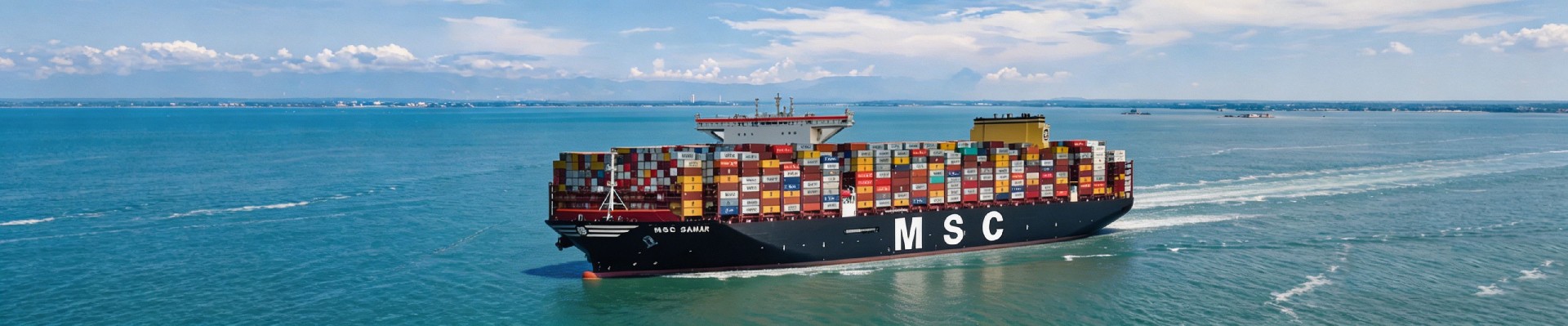
Iran has announced a new mechanism to oversee maritime traffic through the Strait of Hormuz, a strategic waterway that both Washington and Tehran claim to control. According to a report by The New York Times on Tuesday (May 5), citing Iran's state news agency, under the new mechanism announced by Iran on May 5, vessels seeking to transit the Strait of Hormuz will receive an email from the "Persian Gulf Strait Authority" outlining the rules for passage. Iran's state-run English-language news channel Press TV reported that vessels must comply with these rules and obtain transit permits before crossing the strait.
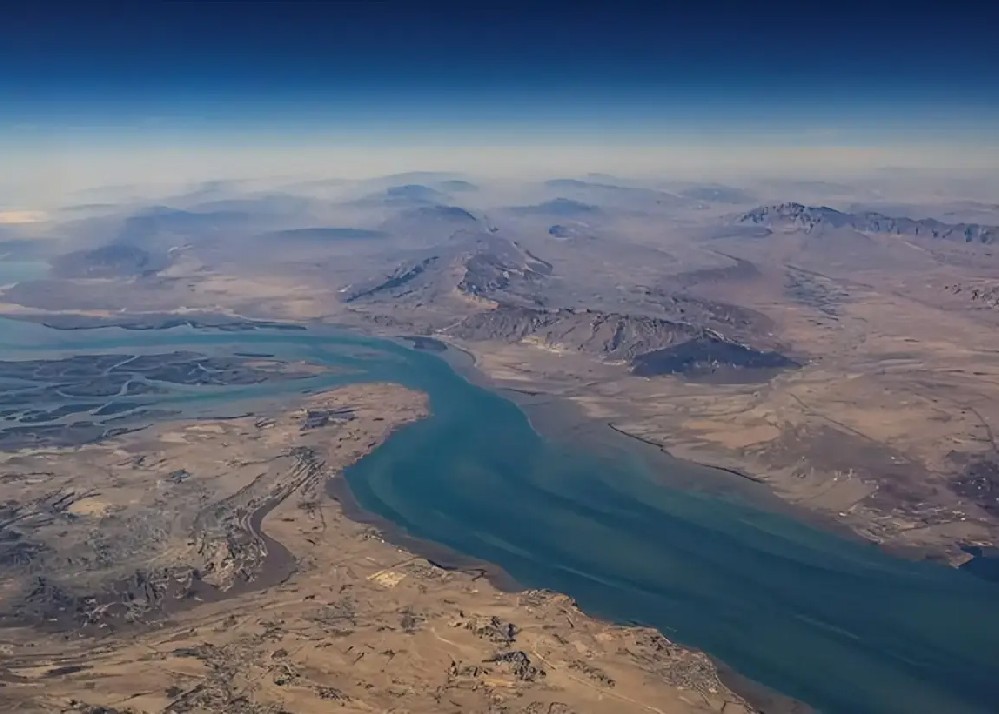
Details regarding how the new Iranian mechanism will operate, the specific transit regulations, and how Iran will respond to violations remain unclear. The New York Times sought further information from the newly established "Persian Gulf Strait Authority" but did not receive an immediate response. According to Press TV, the new mechanism for the Strait of Hormuz is already operational. On the same day, the Islamic Revolutionary Guard Corps Navy posted a warning on social media, stating that the only safe route is the maritime corridor designated by Iran and that Iran would take action against any vessel deviating from the safe passageway.
The report suggested that Iran's new mechanism for transiting the strait appeared designed to assert Iranian sovereignty over the disrupted waterway. Approximately one-fifth of the world's oil and natural gas is transported through the Strait of Hormuz. US President Donald Trump responded by ordering a US naval blockade of Iranian ports and proposing a "Freedom Plan" under which the US Navy would guide stranded vessels through the strait. However, this initiative appears to have yielded limited results. Trump announced the suspension of the "Freedom Plan" on Truth Social on the evening of May 5 (morning of May 6, Singapore time). He stated that US military operations in Iran had achieved significant success and that substantial progress had been made in reaching a comprehensive final agreement with Iranian representatives. At the request of Pakistan and other nations, both sides had mutually agreed to suspend the "Freedom Plan" while the blockade remains in full effect, "to see if a deal can be finalized and signed."