English
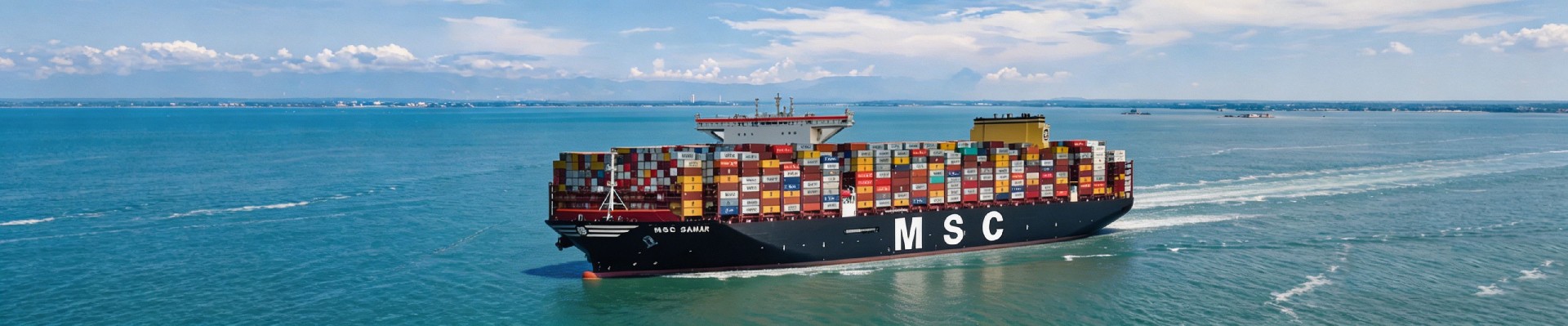
Recently, demand on Asia-to-U.S. shipping routes has picked up markedly. Market participants widely believe that one core driver behind this shipment rush is the high uncertainty surrounding U.S. tariff policies.
Previously, multiple U.S. tariff measures were ruled contentious by courts. Subsequently, the Office of the United States Trade Representative (USTR) launched new Section 301 investigations. Fearing potential additional tariffs ahead, numerous cargo owners have opted to ship goods in advance. Meanwhile, inventory restocking demand has surged further, driven by pre-holiday preparations for U.S. Independence Day and consumption growth spurred by major international events.
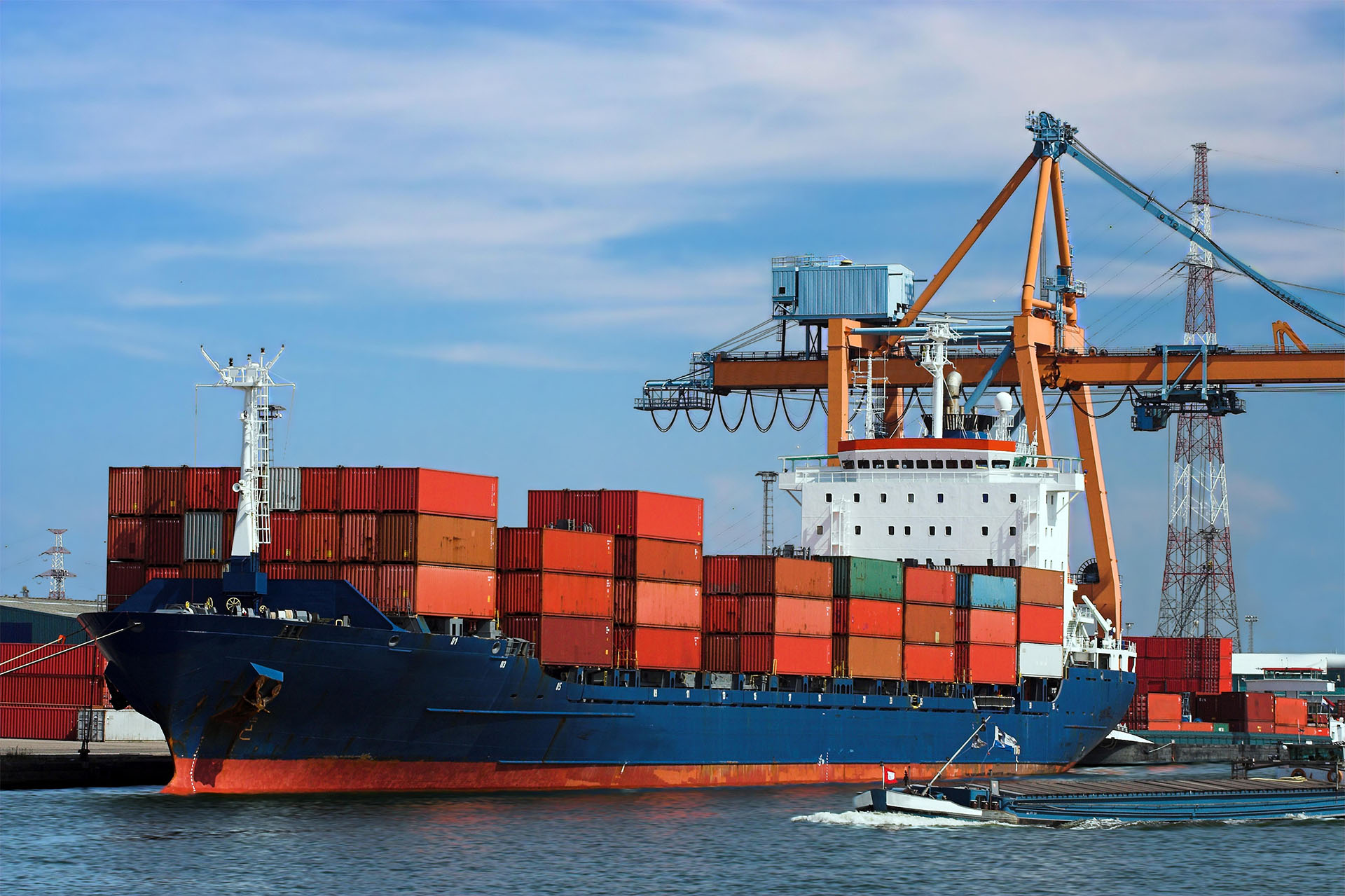
Fueled by rising demand, multiple shipping lines have rolled out new rate hikes. Carriers including Yang Ming and Wan Hai plan to raise freight rates for U.S.-bound routes starting in June, with increases ranging from $1,000 to $1,500 per FEU on some routes. Maersk announced the imposition of Peak Season Surcharge (PSS) for Far East-to-U.S. and Canada routes, capped at $2,000 per FEU. MSC has also raised bunker surcharges for Asia-to-North America routes accordingly.
If the June rate hikes take full effect, freight rates for the U.S. West Coast are expected to climb to around $4,800 per FEU, while rates for the U.S. East Coast will approach $6,000 per FEU. According to data from the Shanghai Containerized Freight Index (SCFI), rates for the U.S. West Coast stood at roughly $2,722 per FEU and the U.S. East Coast at about $3,691 per FEU in early May. This translates to a hike of over 60% across U.S. routes within just one month, with rates for the U.S. West Coast surging by nearly 80%.
Industry insiders forecast that the elevated freight rates on U.S. lanes will persist for another one to two months in the short term. In the long run, however, global container shipping capacity remains in an expansion phase, leaving the market facing considerable uncertainties going forward.