.png)


 英文
英文
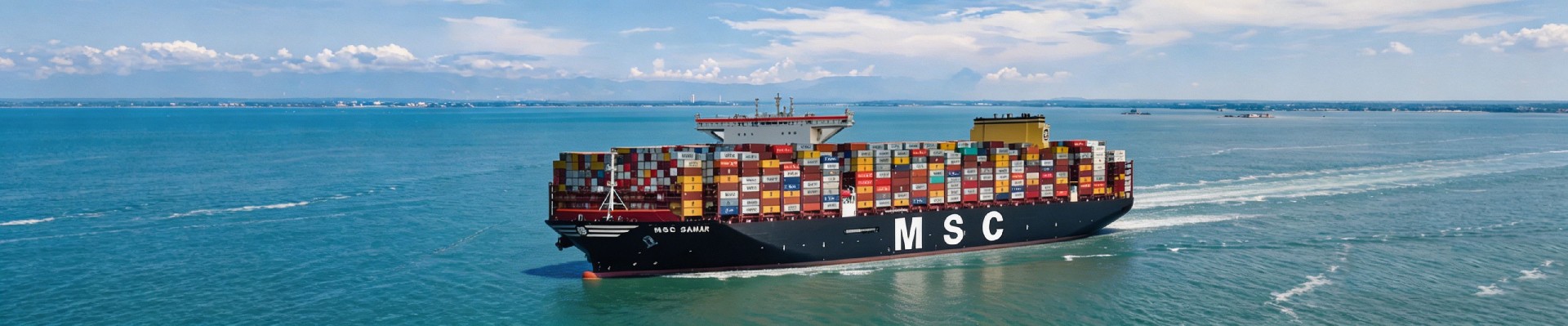
As U.S.-Iranian conflict continues to escalate, shipping security in the Strait of Hormuz has deteriorated sharply. On July 14, local time, three more tankers were attacked within 24 hours near the Strait of Hormuz and the Gulf of Oman. Among them, two Very Large Crude Carriers (VLCCs) were struck by Iranian cruise missiles while sailing in Omani territorial waters, resulting in one crew member dead and eight others injured. With the United States expanding its military strikes against Iran and reinstating a naval blockade on Iranian ports, the nascent signs of recovery in navigation through the Strait of Hormuz have once again been disrupted, posing a fresh round of severe challenges to commercial shipping.
According to alerts issued by the United Kingdom Maritime Trade Operations (UKMTO), three vessel attack warnings were issued in the past 24 hours, two of which occurred in international shipping lanes south of the Strait of Hormuz, near Omani waters. Maritime security agency EOS Risk Group confirmed that the vessels attacked were the Mombasa B (IMO: 9739501) and Al Bahyah (IMO: 9937799), both VLCCs. The two ships were struck by Iranian cruise missiles while transiting the Omani lane south of the Strait of Hormuz. The Mombasa B is owned by South Korea's Sinokor, while Al Bahyah is owned and operated by Abu Dhabi National Oil Company (ADNOC). The attack resulted in the death of one Indian crew member aboard the Mombasa B and injuries to eight others, including six Indian nationals and two Ukrainians, four of whom are in critical condition. Fires broke out on both vessels but have since been brought under control. With this latest attack, the confirmed death toll among seafarers in the current U.S.-Iran conflict has risen to at least 15. Additionally, one crew member remains missing from the container ship GFS Galaxy, which was attacked on July 12 in the southern shipping lane of the Strait of Hormuz.
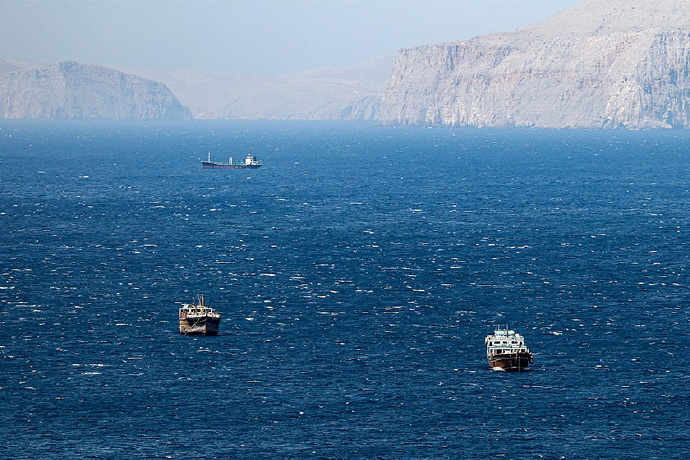
Meanwhile, a third tanker was also struck on the same day by an unidentified aerial object near the eastern entrance to the Gulf of Oman. UKMTO reported that the vessel was attacked approximately 40 nautical miles northeast of Qalhat, Oman, sustaining damage to its starboard engine room. All crew members are safe with no casualties and no pollution incident reported. EOS Risk statistics show that over the past week, the number of Iranian attacks on commercial vessels has risen to at least six, involving ships owned by multiple operators including Bahri and Nakilat, as the security situation in the Strait of Hormuz and surrounding waters continues to deteriorate. At the same time, U.S. Central Command (CENTCOM) announced that it carried out another large-scale strike against multiple Iranian military targets on the evening of July 14, lasting approximately five hours—marking the fifth consecutive round of U.S. military operations since the recent escalation between the two sides.
The targets of this strike included coastal defense systems, missile positions, drone facilities, and other maritime military capabilities in Bushehr, Jask, Chah Bahar, Konarak, Abu Musa, and Bandar Abbas. The U.S. stated that the operation was intended to further degrade Iran's capacity to attack international merchant shipping. Concurrently, the United States formally reinstated a naval blockade on Iranian ports. According to the latest navigation safety guidance issued by the Joint Maritime Information Center (JMIC), U.S. naval forces will intercept, board, or divert vessels entering or exiting Iranian ports; neutral vessels bound for non-Iranian ports may still transit the Strait of Hormuz. JMIC continues to maintain the regional maritime security risk level at "SEVERE" and reminds shipowners and operators that even when choosing the southern lane off the Omani coast, vessels still face persistent surveillance by Iran's Islamic Revolutionary Guard Corps, radio calls, and missile attack risks. Notably, just weeks earlier, following the June 24 ceasefire arrangement between the U.S. and Iran, shipping through the Strait of Hormuz had shown signs of recovery. Commercial vessels had gradually resumed using both the Iranian-controlled northern lane and the U.S.-backed southern Omani lane, and while overall traffic remained below normal levels, market confidence was slowly rebuilding.
However, this missile strike has virtually brought that recovery process to a halt. At the same time, Iran's Persian Gulf Strait management authority announced that, due to recent U.S. military actions, it has suspended the issuance of Strait of Hormuz transit permits and stated that passage through the strait is currently "not feasible." This decision effectively invalidates the Iranian transit permit mechanism that many shipowners had relied on since late June. Industry security agencies point out that with Iran suspending transit permits, the U.S. reinstating its naval blockade, and cruise missiles striking VLCCs in the Omani lane for the first time, the southern lane—previously considered relatively safer—is no longer secure. Going forward, vessels will face not only higher war risk insurance premiums, inspection risks, and sanctions exposure, but also a potential further reduction in carrier willingness to operate Middle East Gulf routes as the situation continues to escalate. Meanwhile, international oil prices have continued to climb amid heightened market concerns over risks to Middle East energy exports, casting renewed shadows over the shipping outlook in the Strait of Hormuz.