.png)


 英文
英文
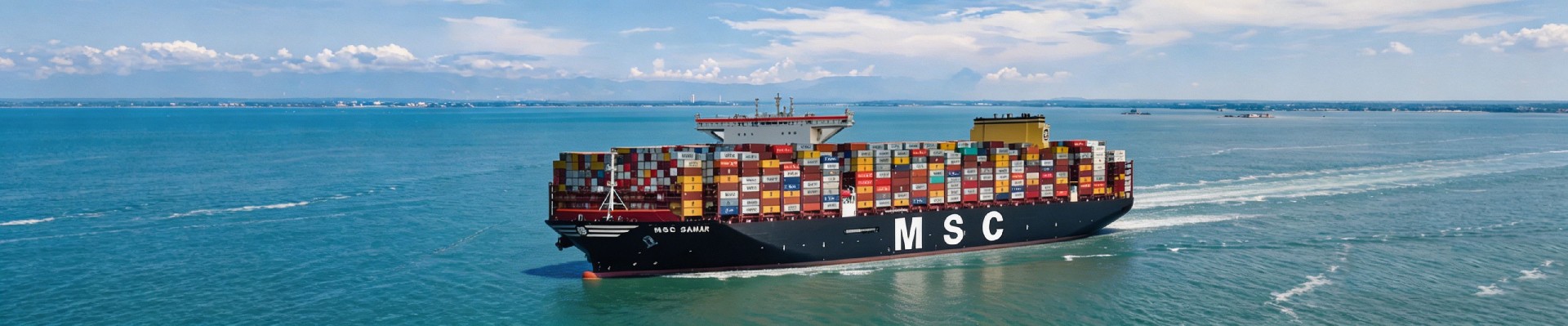
Recently, two oil tanker incidents have simultaneously captured market attention: near the Strait of Hormuz, one tanker was struck by an unidentified projectile, after which its crew abandoned ship; at the same time, in the Red Sea direction, tankers carrying Saudi crude originally bound for China and India have turned around and changed course toward the Suez Canal.
On one side, a ship has been attacked; on the other, shipowners are proactively altering routes. If previously the risks in the Strait of Hormuz mainly affected energy exports from the Persian Gulf, the key change in the latest developments is that risks are now spreading toward the Red Sea–Bab el-Mandeb Strait.
This is no longer just about a single waterway facing risks, but possibly about two key energy transport corridors in the Middle East coming under simultaneous pressure.
Another Tanker Attack Near Hormuz, Crew Abandons Ship
According to a notification from the United Kingdom Maritime Trade Operations (UKMTO), a tanker was recently struck by an unidentified projectile near Limah, Oman, approximately 8 nautical miles offshore.
Subsequently, the ship's company security officer reported to UKMTO that the crew had abandoned ship and boarded life rafts. Relevant authorities stated that no environmental pollution impacts have been reported, and the specific cause of the incident is still under investigation.
Related information reports that the tanker sent a distress call via VHF radio, stating that the ship had been struck by an unidentified projectile. Public information shows that after the incident, the crew prepared to abandon ship, and relevant maritime authorities continue to investigate the matter.
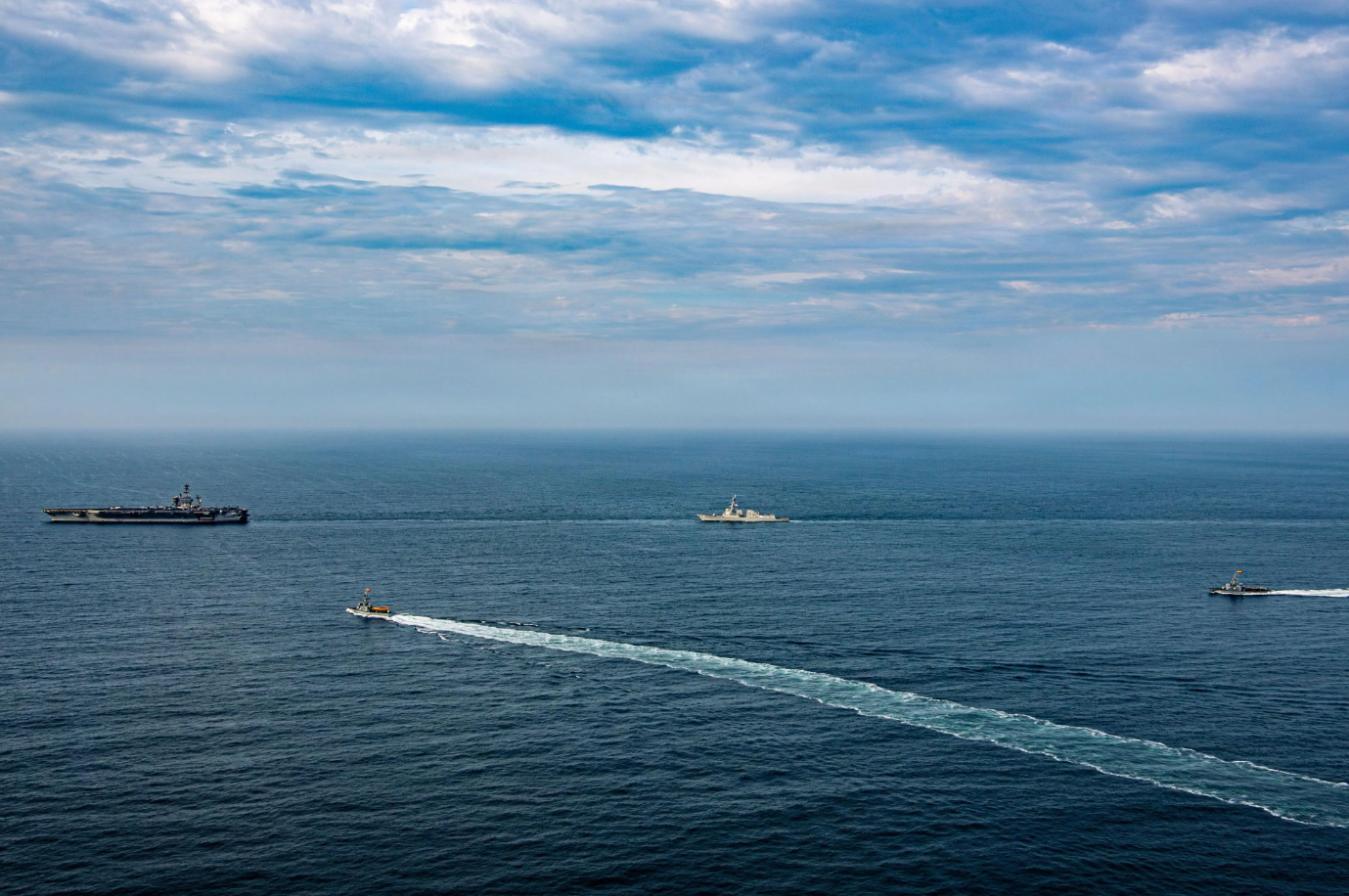
This is not an isolated incident near the Strait of Hormuz in recent times. Following the latest escalation of regional conflicts, multiple commercial vessels have been attacked or faced security threats, and some ships have begun reassessing their navigation plans.
The most immediate change is that security risks are shifting from "something to watch" to "affecting actual operational decisions."
Once crew safety, ship insurance, and shipowner liabilities face greater uncertainty, shipping companies may respond by delaying port entries, adjusting routes, or even suspending some voyages to reduce risks.
New Changes in the Red Sea: Tankers Start Turning Around
At the same time, the Red Sea route has also seen signals that have drawn close industry attention.
Reuters reported on July 21 that two tankers carrying Saudi crude, destined for China and India respectively — Xin Long Yang and Rodos — turned around while sailing in the Red Sea and changed course toward the Suez Canal.
Among them, Xin Long Yang is a very large crude carrier (VLCC) that had loaded approximately 2 million barrels of crude at Saudi Arabia's Yanbu port, reportedly destined for China; the other tanker, Rodos, was carrying about 700,000 barrels of Saudi crude and was originally planned for delivery to India.
In addition, another VLCC, New Prime, which had been scheduled to load oil at Yanbu, changed course near Oman before entering the Red Sea.
This change came after the Houthis announced maritime blockade measures targeting Saudi Arabia.
According to Reuters, the Houthis issued warnings to shipping companies, requiring relevant vessels not to load or unload cargo at Saudi ports and warning that related activities could face attack risks. British maritime security company Ambrey subsequently stated that the risk level for vessels heading to Saudi ports is being reassessed.
At present, it cannot be concluded that the Red Sea route has been completely interrupted. In fact, Saudi Arabia's Yanbu port is still conducting some oil-loading operations, and some vessels that have already entered the Red Sea or passed through the Suez Canal en route to Yanbu are still continuing to sail.
But the fact that tankers are actively turning around has already sent a clear signal: shipowners are beginning to factor security risks directly into route decisions.
The Biggest Change Is That Two Key Waterways May Be Under Simultaneous Pressure
When these two incidents are viewed together, the Strait of Hormuz connects the Persian Gulf and the Gulf of Oman and is a vital route for Middle Eastern energy exports; the Bab el-Mandeb Strait connects the Red Sea and the Gulf of Aden and is an important corridor for Middle Eastern energy and Asia–Europe trade.
Over the past few years, security risks in the Red Sea have already caused a large number of container ships to divert around the Cape of Good Hope, and more recently, security risks in the Strait of Hormuz have further increased uncertainty in Persian Gulf energy transportation.
Now, with the Houthis issuing new threats against ships linked to Saudi ports, risks are beginning to spread from the Strait of Hormuz to the Red Sea.
If this trend continues, international shipping may face a more complex scenario: if one route is blocked, ships can detour; but if two key passages are simultaneously exposed to security risks, the room for alternative routing in global shipping will shrink significantly.
This is precisely where the market really needs to focus.
The Impact May First Show Up in These Three Areas
· Route adjustments may become the norm
For now, the Red Sea has not been completely closed, nor has all commercial shipping stopped in the Strait of Hormuz. However, judging from the fact that tankers have already turned around and diverted, shipping companies are adjusting routes dynamically based on risk assessments.
In the future, cargo moving to, from, or via the Middle East, India, Southeast Asia, and Europe will require closer attention to temporary port changes, diversions, and rollover arrangements by shipping lines. In particular, for Asia–Europe cargo that relies on the Red Sea–Suez Canal route, if risks continue to expand, more rerouting via the Cape of Good Hope cannot be ruled out.
· Transit times and costs may rise further
Reuters has noted that if cargo originally routed through the Red Sea and Bab el-Mandeb to Asia is diverted toward the Suez Canal, some voyage schedules may change noticeably; and if the final choice is to reroute around Africa, transit times will increase further.
For energy transport, rerouting means lower vessel turnover efficiency; for container shipping, it may further push up fuel costs, vessel operating costs, and insurance costs.
If the risks persist for a longer period, the costs may ultimately be passed on to cargo owners through surcharges, freight rates, and insurance premiums.
· "Middle East risk" is becoming a regional shipping risk
In the past, when companies discussed shipping risks in the Middle East, they tended to talk about the Strait of Hormuz and the Red Sea separately. Now, the connection between the two is becoming more apparent.
Security risks in the Strait of Hormuz affect Persian Gulf energy exports; security risks in the Red Sea and Bab el-Mandeb may affect Asia–Europe trade and the transport of Saudi crude to Asian markets.
If risks in both directions persist simultaneously, shipping companies will face not just the issue of rerouting on a single route, but a broader reconfiguration of global energy and trade networks.
What Matters Most Now Is Not Predicting When the Situation Will End, But Preparing Different Contingency Plans in Advance
If you have business involving the Middle East, the Red Sea, India, or Europe in the near future, it is advisable to pay close attention to:
Whether shipping lines continue to accept bookings for the relevant ports
Whether there are temporary port changes, diversions, or rollover arrangements
Whether cargo needs to pass through the Strait of Hormuz, the Bab el-Mandeb Strait, or high-risk areas in the Red Sea
Whether war risk insurance, surcharges, and vessel schedules have changed
Whether your clients' tolerance for transit time and costs can withstand another rerouting
In particular, the current risks are still in a dynamic and evolving phase. Some tankers have already actively adjusted their routes because of security threats, but that does not mean the Red Sea or the Bab el-Mandeb Strait has been completely closed. Whether the risks will escalate further still depends on the evolution of regional conflicts and whether the relevant armed forces continue to expand their scope of attacks on commercial shipping.
For freight forwarding companies, what is truly necessary is to turn "route safety assessment" from a one-time operational decision into ongoing dynamic monitoring.
Because under the current situation in the Middle East, ships may not wait until a route is officially closed before changing direction; the market often reacts first — through rerouting, turnarounds, and insurance hikes — even before risks fully materialize.