.png)


 英文
英文
Our company specializes in the transportation of heavy lift cargoes. With professional heavy haulage qualifications and extensive project execution experience, we provide end-to-end logistics services···

Excavator
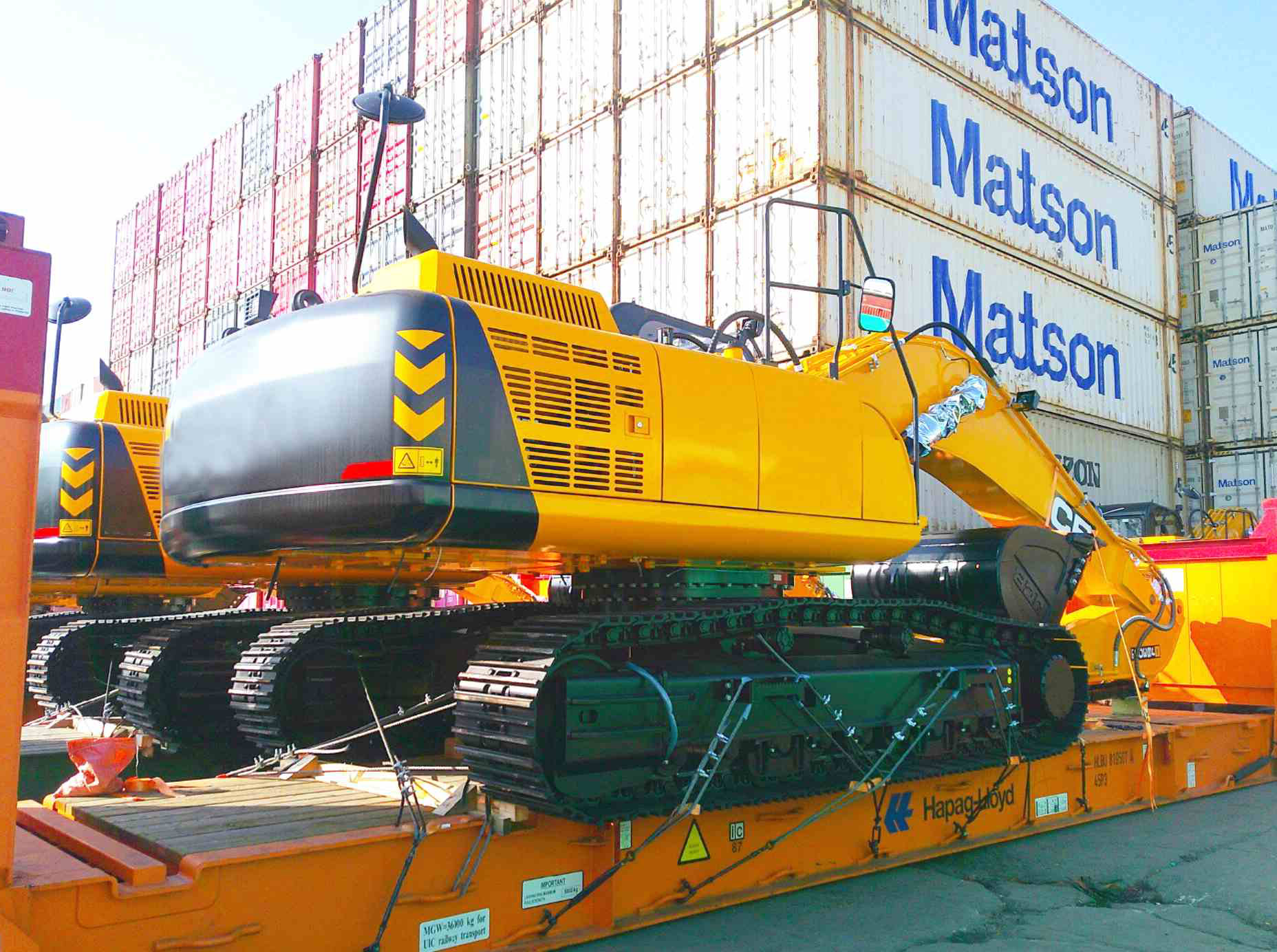

Excavator Transport
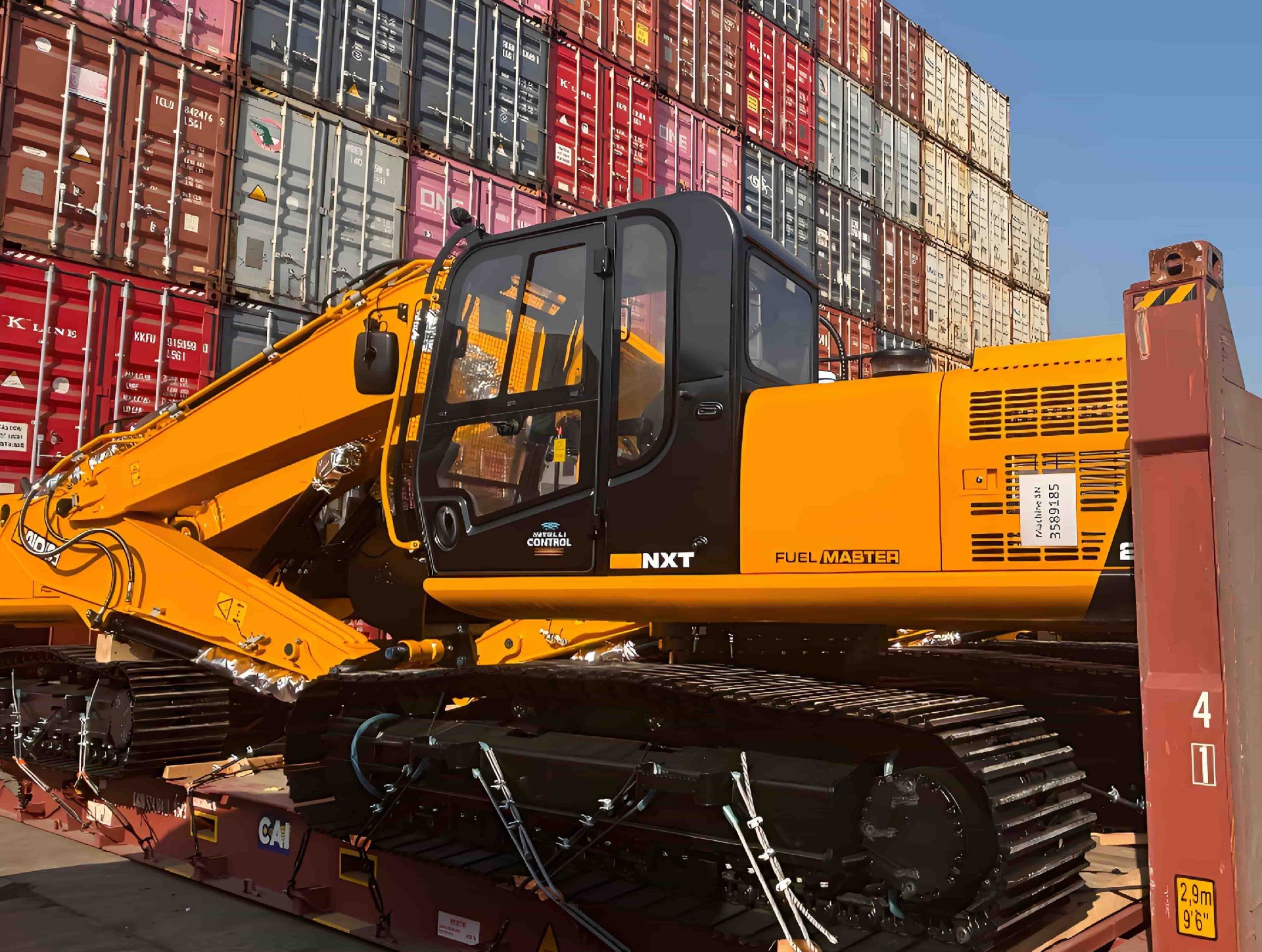
Excavator Transport
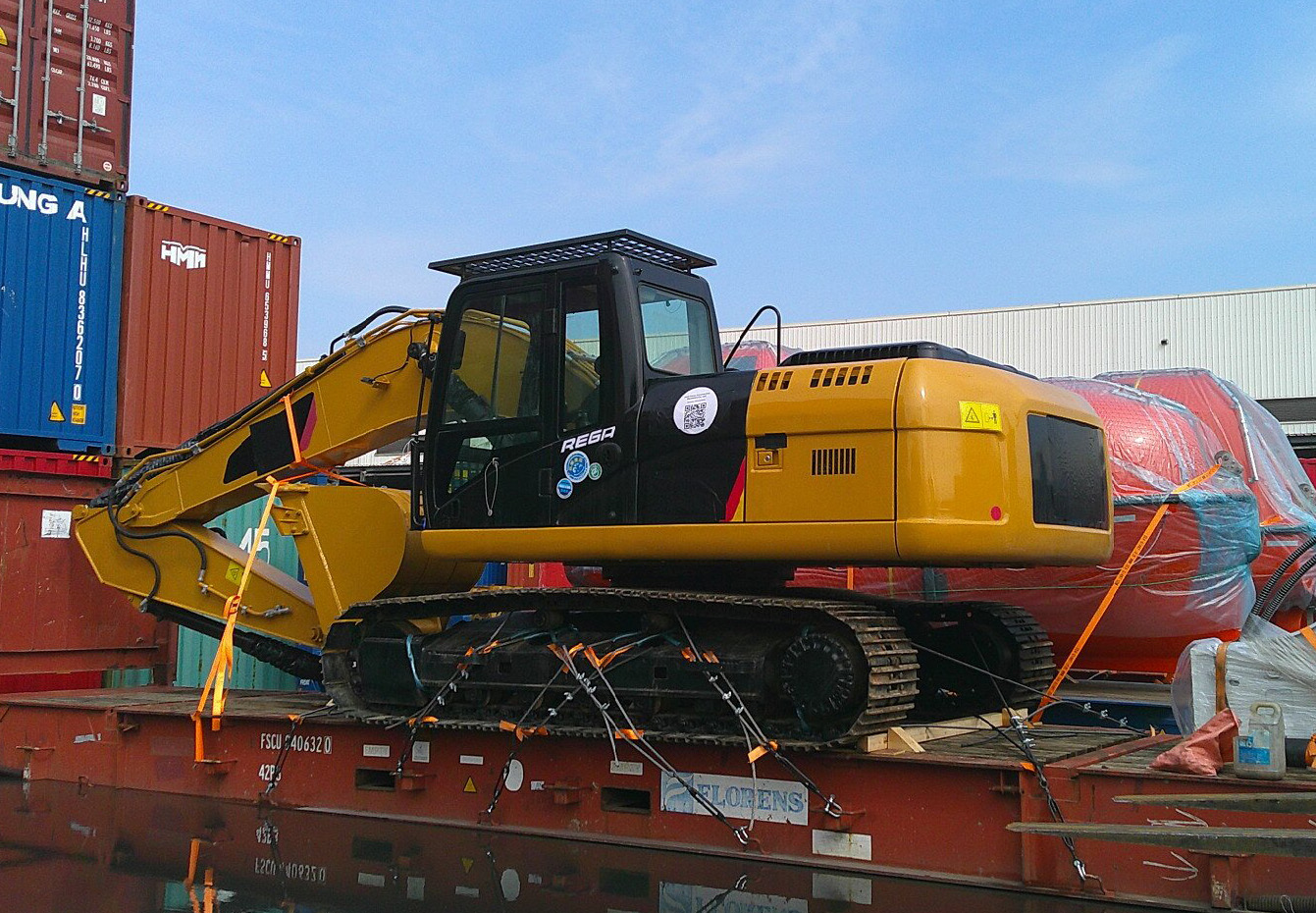
Excavator Transport
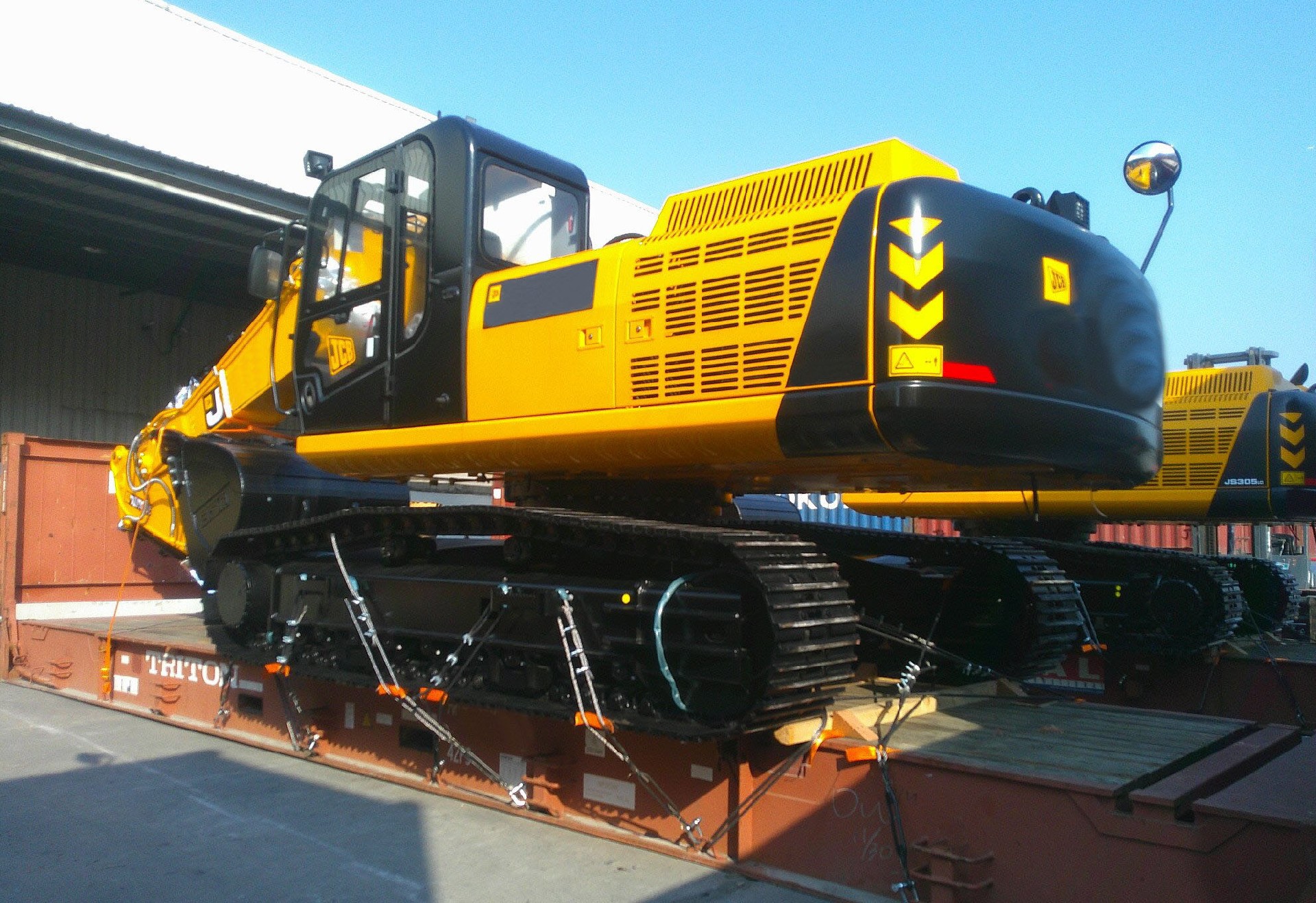
Excavator Transport
服务详情
Excavators are core equipment for earthwork excavation, construction, mining, water conservancy, and other engineering projects. We provide professional excavator transport services from factories, dealers, or construction sites to domestic or overseas project sites. We support single-unit or batch shipments, and can transport the machine as a whole or in dismantled parts.
Common Types
Crawler Excavators (Standard, Long-reach)
Wheel Excavators (Self-loading/unloading onto flatbeds)
Mini Excavators (Micro, Zero-tail swing)
Large Excavators (30 tons and above)
Dismantled Parts (Boom, arm, counterweight, track assembly, cab, etc., shipped separately)
Key Transport Challenges
Heavy Weight: Medium excavators 20-30 tons, large models 40-80 tons, ultra-large models up to 100 tons.
Oversized Dimensions: Overall height approx. 3-4m, length approx. 8-12m (including boom and arm extended). Standard flatbeds may exceed width, height, or length limits.
High Track Pressure on Deck: Tracks exert concentrated pressure on the flatbed; wooden sleepers or rubber pads are needed to distribute weight and prevent slipping.
Vulnerable Cab & Glass: The cab is elevated and easily damaged by tree branches, overhead obstacles, or lifting slings.
Unstable Boom/Arm/Bucket Position: Must be folded into transport position (arm retracted, bucket close to boom). If not secured, they can swing or even dislodge during transit.
Fluid Leakage Risk: Hydraulic oil, fuel, and engine oil may leak from vents during tilting or heavy vibration, contaminating the deck or leading to fines by road authorities.
Our Transport Solutions
Pre-loading Preparation
Lock cab windows, doors, engine hood, battery box, and tool box.
Retract boom, arm, and bucket to minimum dimensions; secure bucket to boom with chains or wire ropes.
For crawler excavators: clean tracks; place wooden sleepers or used tires on the deck to reduce point pressure and increase friction.
For wheel excavators: release handbrake, use wheel chocks; guide driver during self-loading.
Tighten fuel and hydraulic tank caps; seal vent holes with tape or plastic wrap, or lower fluid levels.
Lifting & Securing
Crawler excavators typically self-load via ramps; ensure ramp angle and deck height are correct to avoid chassis damage.
For large excavators that cannot self-load (e.g., damaged tracks or oversize), use a crane: lift from track frames or dedicated lifting points, never from cab or cylinders.
Secure with chains, straps, and tensioners at 4 corners (front, rear, left, right), min. 2 ties per direction.
Additional straps for bucket and boom to prevent sway.
Transport Modes
Breakbulk on deck: drive or lift onto deck, place wooden sleepers under tracks, weld stoppers + chain tie-downs.
Flat rack container: suitable for small excavators (under 10 tons); securing similar to flatbed.
Ro-Ro: excavators can drive onto vessel deck; additional lashing required.
Low-bed flatbed (with ramps): suitable for excavators under 30 tons, overall height ≤4m.
Hydraulic modular trailer (multi-axle): for excavators over 30 tons or oversize; adjustable deck height, weight distributed over multiple axles.
Oversize permits: arrange ahead for over-height, over-width, and over-length loads; escort vehicles required.
Road Transport (Domestic or Cross-border):
Sea Freight:
Multimodal Transport: Road + sea + inland trucking; door-to-door service available.
Value-added Services
Customs declaration & HS code classification (excavators fall under construction machinery; favorable export tax rebate rates).
Pre- and post-loading photo/video documentation (focus on bucket securing, fluid sealing, cab protection).
Crane offloading at destination port or site, placement at designated location (e.g., pit edge or staging area).
Equipment cleaning (removal of mud, oil stains) to meet import quarantine requirements of destination country.
Our Advantages
Experienced in transporting excavators: we know which flatbed suits which model for maximum stability, avoiding width violations.
Minimum 4 chains + tensioners used per excavator, tied in "X" or "figure-eight" pattern – simple but reliable.
Cab glass and dashboard protected with stretch wrap or bubble pad before shipment.
Fluid leaks prevented: tank vents sealed with Teflon tape or plastic bags; no oil cleanup needed upon arrival.
For dismantled parts (boom, counterweight, etc.), we use steel frames or wooden pallets, clearly labeled for easy reassembly.
Equipment nameplate, engine number, and chassis number photographed in advance for customs clearance at destination.