.png)


 英文
英文
Sheet metal processing equipment refers to industrial machinery used for cutting, bending, punching, welding, surface treatment, and other processes on metal or non-metal sheets. It is widely used in ···

Sheet Metal Processing Equipment
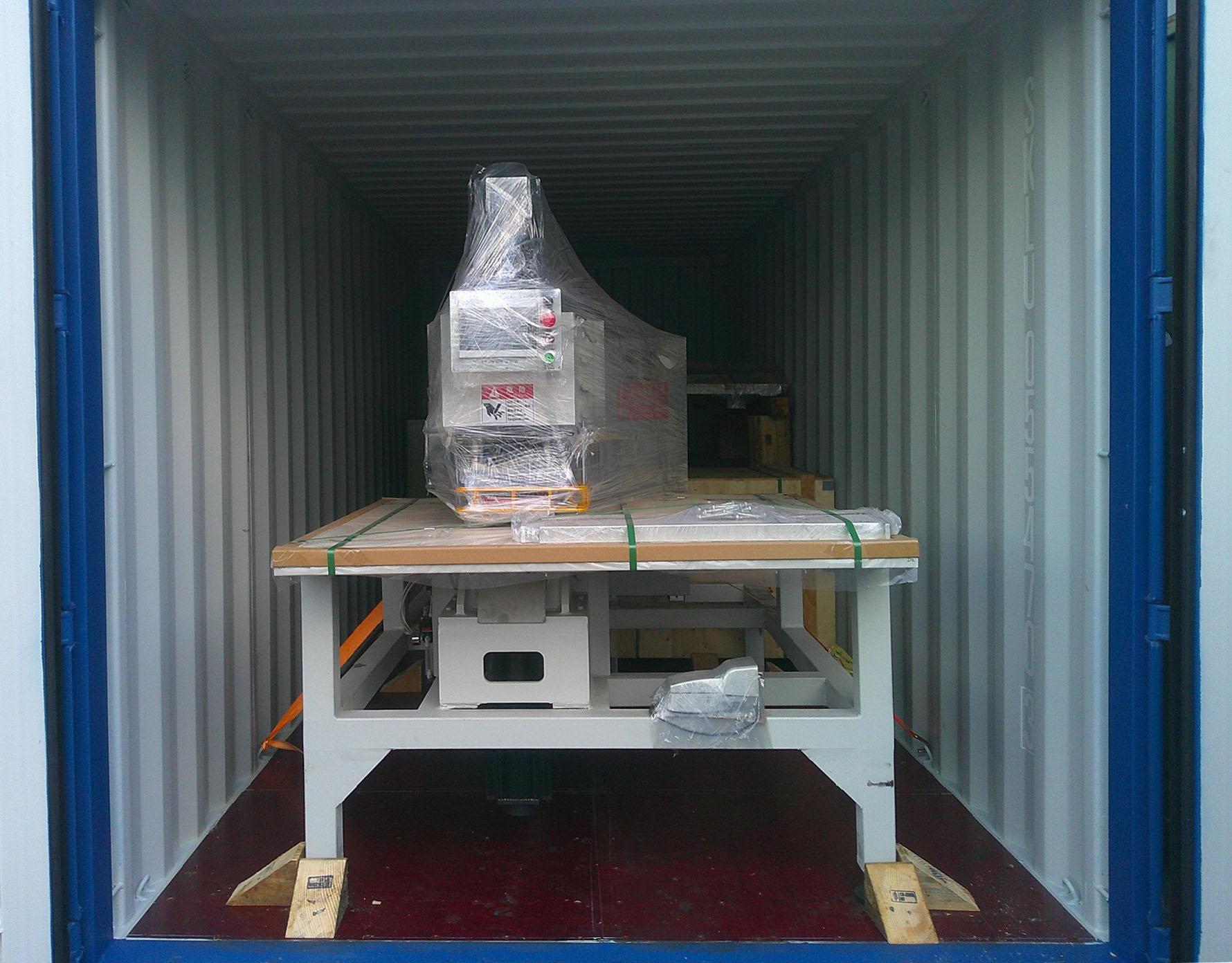

Sheet Metal Processing Equipment Transport
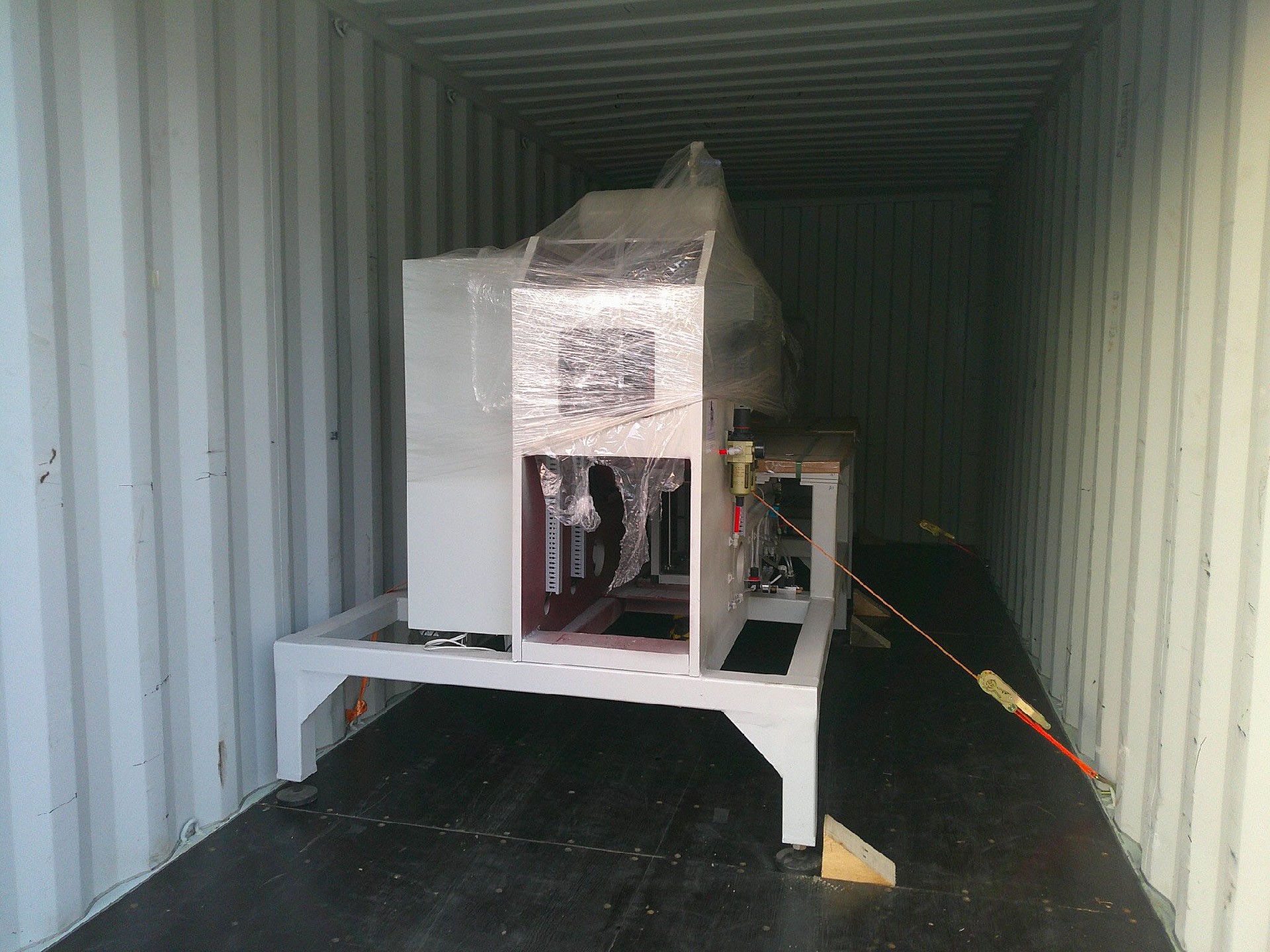
Sheet Metal Processing Equipment Transport
服务详情
Sheet metal processing equipment refers to industrial machinery used for cutting, bending, punching, welding, surface treatment, and other processes on metal or non-metal sheets. It is widely used in steel structure manufacturing, the automotive industry, shipbuilding, home appliances, and sheet metal processing. We provide professional transport services from manufacturing plants to domestic/overseas project sites. Equipment can be shipped as a whole or in dismantled parts, covering individual machines to entire production lines.
Common Types
CNC Cutting Equipment (Plasma cutter, Laser cutter, Flame cutter)
Bending Equipment (CNC press brake, Hydraulic press brake)
Shearing Equipment (Guillotine shear, Hydraulic shear)
Punching Equipment (Press machine, Turret punch press)
Plate Rolling Equipment (Plate bending machine, Leveling machine)
Welding Equipment (Automatic welding line, Welding robot workstation)
Surface Treatment Equipment (Shot blasting machine, Sandblasting line, Coating line)
Sheet Conveying and Auxiliary Equipment (Feeding rack, Leveling machine, Stacker, Conveyor roller table)
Key Transport Challenges
Wide Variation in Single-Unit Weight: Small equipment weighs a few hundred kilograms; large equipment (e.g., plate bending machine, laser cutter) can weigh several to tens of tons.
Oversized Dimensions: Length, width, and height often exceed standard container dimensions, especially for long machines like plate bending and leveling machines, as well as non-standard models with operating platforms and protective covers.
Precision Components Sensitive to Vibration: Laser generators, guide rails, ball screws, servo motors, and control systems are sensitive to impact and vibration during transport, which may cause accuracy loss or damage.
Offset and Variable Center of Gravity: Due to the arrangement of motors, hydraulic stations, counterweights, etc., the center of gravity may be offset to one side. Careful calculation is required during lifting and loading.
Numerous Split Components Prone to Loss: A sheet metal processing line often includes the main machine, control cabinet, hydraulic station, suction cup feeding rack, scrap conveyor, protective fence, and many other loose parts, making counting and assembly difficult.
Flatness and Levelness Requirements: The machine base and guide rail mounting surfaces must remain free of deformation or dents after transport; otherwise, on-site installation and commissioning will be affected.
High Rust and Moisture Prevention Requirements: Export equipment often undergoes long sea voyages. Machined surfaces and exposed metal parts are prone to rust. Packaging must be moisture-proof and salt-spray resistant.
Our Transport Solutions
Packaging & Protection
Whole machine transport: Choose bare stowage, simple packaging (stretch wrap + waterproof tarpaulin), or sealed wooden crates based on equipment weight and dimensions.
Precision components (e.g., laser cutting head, CNC control console): Use vacuum aluminum foil bags or moisture-proof bags with desiccant inside. Place in wooden crates with cushioning material.
Long precision parts such as guide rails and ball screws: Pack individually in wooden crates with protective sleeves at both ends. Use multi-point support inside the crate to prevent bending deformation.
Hydraulic hoses, cables, and connectors: Coil by type, label, and pack in waterproof bags or small wooden crates. Ship together with the main equipment.
All machined surfaces (table top, rail surfaces, mounting base): Apply anti-rust oil and cover with kraft paper or plastic film.
Large equipment base: Weld temporary support steel frames to prevent structural distortion during transport.
Lifting & Handling
Use the equipment's built-in lifting rings or designated lifting points. Never hook onto motors, cylinder piston rods, or thin-walled parts.
For equipment with an offset center of gravity, use a spreader beam or multi-point slings to ensure smooth lifting without tilting.
Use nylon slings or soft slings during lifting to avoid damage to paint and machined surfaces.
The loading/unloading site must be level and firm. Lay steel plates or road mats to distribute pressure if necessary.
Transport Modes
Standard container: Suitable for small/medium equipment that fits within container dimensions. Bolt the equipment base to the container floor. Fill surrounding gaps with air bags or wooden dunnage.
Open-top / Flat rack container: Suitable for equipment exceeding height or width limits. Bare stowage or wooden crate fixing. Weld base or use straps for securing.
Breakbulk vessel: Suitable for large quantities or over-weight/over-size equipment. Stow on deck or in holds. Weld equipment base to vessel structure and secure with chain lashing.
Small equipment: Enclosed van or flatbed. Secure pallets with straps.
Large and oversized equipment: Low-bed hydraulic modular trailers or multi-axle flatbeds. Apply for oversize transport permits in advance for over-width or over-height conditions.
Road Transport:
Sea Freight:
Multimodal Transport: Road + sea + inland barge combination for door-to-door service.
Value-added Services
Pre-shipment photos and videos of equipment condition, key components, and packaging details.
Assistance with shipping marks, packing lists, and equipment dismantling/assembly numbering diagrams for easy on-site assembly.
Handling of export customs declaration and destination customs clearance documents (e.g., Certificate of Origin, packing list, invoice, equipment manual).
Coordination of offloading and unpacking at destination port and placement at customer's designated workshop location.
Shock recorder (impact indicator) service for precision equipment during transport.
Our Advantages
Years of experience handling various sheet metal processing equipment; familiar with lifting points and protection priorities for laser cutters, plate bending machines, press brakes, and other equipment.
Comprehensive protection measures for precision machined surfaces (oil coating, film covering, wooden crate cushioning). Arrival condition: guide rails and table surfaces free of rust and dents.
For split production lines, parts are numbered and listed by installation sequence. After unpacking, parts can be assembled directly in sequence without searching.
Oversize equipment: road transport permits processed in advance with route planning, ensuring legal and compliant passage and avoiding en-route detention.
Equipment main body can be shipped together with control systems, hydraulic stations, and accessory boxes in a single batch, reducing coordination costs for multiple dispatches and customs declarations.
Optional shock recorder service; full-trip impact data recorded for equipment acceptance and liability determination.