.png)


 英文
英文
Industrial piping is a critical infrastructure for transporting liquids, gases, or solid particles in sectors such as petrochemicals, power generation, metallurgy, pharmaceuticals, food processing, an···

Industrial Piping
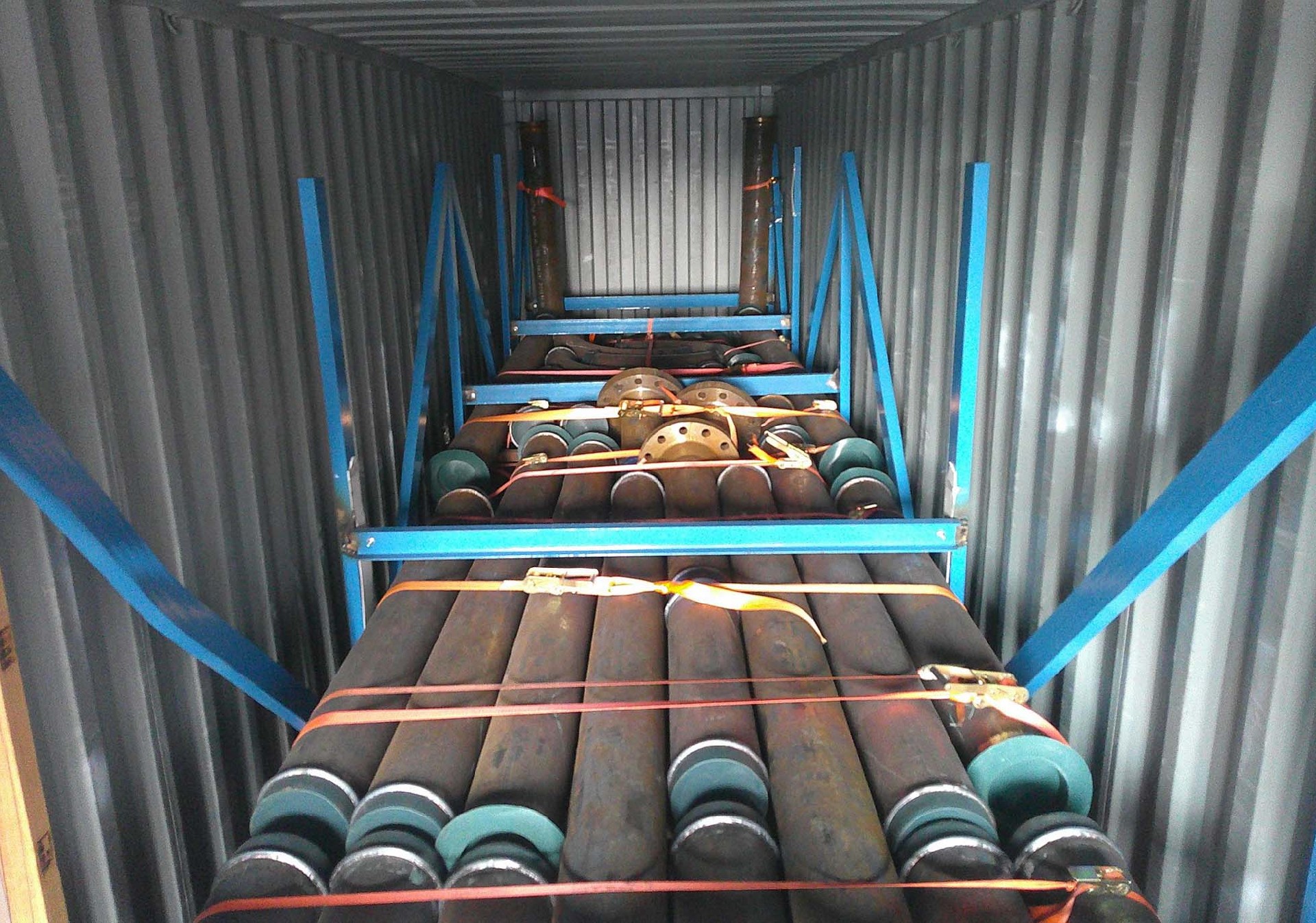

Industrial Piping Transport
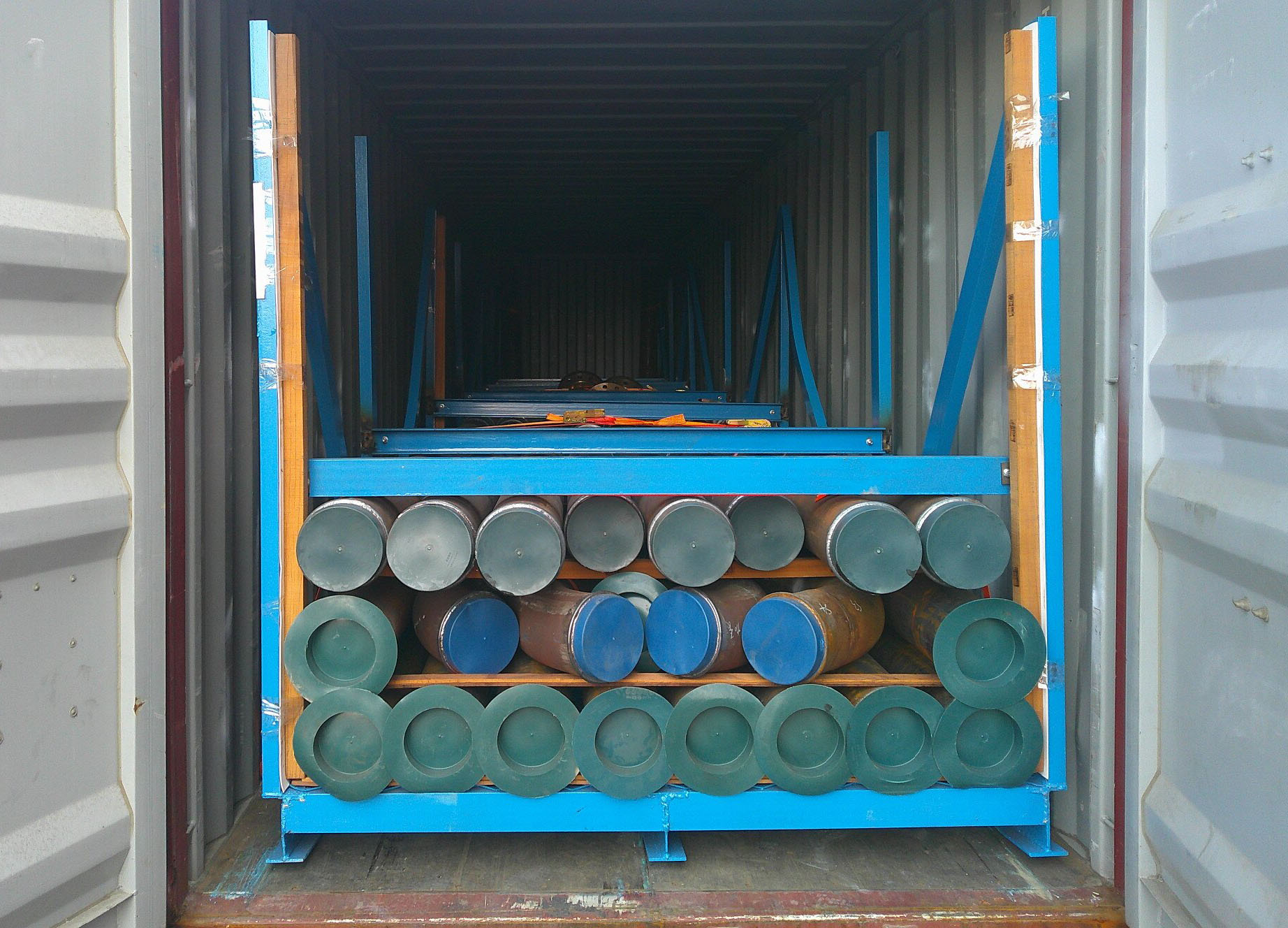
Industrial Piping Transport
服务详情
Industrial piping is a critical infrastructure for transporting liquids, gases, or solid particles in sectors such as petrochemicals, power generation, metallurgy, pharmaceuticals, food processing, and municipal engineering. We provide transport services from pipe manufacturing plants, anti-corrosion coating plants, and insulation plants to engineering project sites, covering individual steel pipes, pipe fittings, pre-insulated pipes, anti-corrosion coated pipes, and companion pipe supports.
Common Types
Petrochemical Piping (Crude oil, refined products, chemical media transport)
Natural Gas Piping (Long-distance transmission pipelines, urban gas networks)
Heating Piping (Steam piping, hot water piping, pre-insulated directly buried pipes)
Compressed Air Piping
Water Supply & Drainage Piping (Industrial circulating water, sewage, fire water)
Process Piping (Pharmaceutical, food, electronics industry clean piping)
Pipe Fittings (Elbows, tees, flanges, reducers, pipe supports, expansion joints)
Key Transport Challenges
Extremely Long Single-Pipe Lengths: Standard pipe lengths are typically 6m, 9m, or 12m. Some large-diameter straight-seam welded pipes can exceed 18m, far exceeding standard transport vehicle lengths.
Large Variation in Pipe Diameters: From small diameters (DN15) to large diameters (DN3000+), strapping and securing methods vary significantly by diameter.
Prone to Rolling: Even bundled pipes are at risk of rolling. During acceleration, braking, or turning, loose strapping bands can cause pipes to slide off.
Pipe End Bevels and Threads Prone to Damage: Welding bevels or threaded ends at pipe ends are easily deformed or damaged by impact during transport, affecting on-site welding or connection quality.
Anti-corrosion Coating and Insulation Prone to Damage: External anti-corrosion coatings (3PE, FBE, epoxy coal tar) and insulation (polyurethane foam + outer casing) can be damaged by impact or scratches during transport, compromising protective performance and incurring high repair costs.
High Loading/Unloading Efficiency Required for Large Batches: Engineering projects often require large quantities of pipes that must be loaded, transported, and unloaded in a short time, demanding efficient handling equipment and operations.
Steel Wire Ropes May Damage Anti-corrosion Coating: Direct strapping of coated pipes with steel wire ropes can damage the coating. Soft padding is required.
Our Transport Solutions
Packaging & Strapping
Small-diameter pipes (DN≤200): Bundle multiple pipes into hexagonal or rectangular bundles using steel or PET straps. Lock both ends with steel straps. Bundle length ≤12m. Suitable for standard containers or high-sided trucks.
Medium-diameter pipes (DN200-600): Place wooden dunnage or rubber pads between layers. Secure each layer separately. Bundle weight controlled at 5-10 tons.
Large-diameter pipes (DN≥600): Single pipe or 2-3 pipes per bundle. Bare stowage with V-shaped or curved wooden saddles.
Pipe End Protection: Install plastic or metal protective caps/rings on all pipe end bevels or threads to prevent impact deformation during transport.
Anti-corrosion Coating Protection: Before strapping coated pipes, place rubber pads, canvas strips, or dedicated pipe protection pads at contact points between wire ropes/chains and the pipe body.
Single Bundle Packaging:
Pre-insulated Pipes: Install waterproof caps at both ends. Wrap the outer casing with stretch film or geotextile to prevent scratches.
Pipe Fittings: Pack elbows, tees, reducers, etc., in wooden crates or steel-frame boxes with internal cushioning material to prevent mutual impact.
Lifting & Handling
Small-diameter pipe bundles: Lift as a whole using a forklift or crane with slings. Use nylon slings or a dedicated lifting beam.
Large-diameter single pipes: Lift using nylon slings or multi-point slings. Space slings at 2-3m intervals to prevent pipe bending or deformation.
Prohibit direct lifting with wire ropes around the pipe body. Use soft slings or place protective padding between wire ropes and the pipe.
Loading/unloading must be performed on a level surface. Place wooden sleepers or straw mats on the ground before setting down pipes to avoid direct impact.
Transport Modes
Standard container: Suitable for pipe bundles or short pipes with length ≤5.8m (20ft) or ≤11.8m (40ft). Load the bundle and secure both sides with wooden dunnage or air bags.
Open-top container: Suitable for pipes with length ≤11.8m but over-height diameter. Secure pipes to the container floor with saddles.
Flat rack container: Suitable for pipes of 12m length and above. Place pipes on the flat rack frame. Secure at both ends and the middle with straps.
Breakbulk vessel: Suitable for large quantities or over-length pipes. Stow in holds or on deck. Place wooden dunnage between pipe layers and secure as a whole.
Standard length pipes (≤12m): Use high-sided or flatbed trucks. Support bundles or single pipes with saddles. Secure with straps in a cross pattern. Use pipe protection pads at strapping points.
Over-length pipes (>12m): Use extendable low-bed flatbeds or hydraulic modular trailers. Install warning lights and reflective plates at the rear. Ensure sufficient ground clearance for the overhanging section. Apply for oversize transport permits in advance.
Over-width pipes (diameter ≥3m): Apply for oversize transport. Use low-bed flatbeds with saddle support and side securing.
Road Transport:
Sea Freight:
Rail Transport: Suitable for long-distance inland transport of large pipe quantities. Use dedicated steel pipe support frames. More economical than road transport.
Multimodal Transport: Road + sea + rail combination for door-to-door service.
Value-added Services
Assistance with export customs declaration and HS code classification (HS codes vary by pipe diameter, material, and application).
Pre-shipment photos of pipe appearance, anti-corrosion coating, and pipe end protection.
Advance route survey for over-length pipes; identification and resolution of height, width, and sharp curve restrictions along the route.
Coordination of crane offloading at destination port/site and stacking at customer's designated pipe yard.
Provision of dedicated rubber pipe protection pads and V-shaped wooden saddles for coated pipe transport.
Our Advantages
Years of experience handling various industrial pipes; familiar with the full range of solutions from small-diameter pipe bundling and large-diameter single-pipe saddle support to over-length pipe modular trailer transport.
All pipe end bevels and threads protected with caps before shipment, preventing impact damage during transport. Arrival condition: ready for direct welding or connection.
For coated pipes, rubber pads or canvas strips placed at all contact points between wire ropes and the pipe body to prevent coating damage. Arrival condition: minimal need for on-site touch-up.
Pre-insulated pipes: waterproof caps sealed at both ends; outer casing protected with covering layer. During sea freight, no moisture intrusion or scratching.
Over-length pipes: oversize permits processed in advance with route planning. Escort vehicles (front and rear) ensure legal and compliant passage.
Pipes can be shipped together with companion fittings (elbows, tees, flanges, etc.) in a single batch for unified customs clearance and one-time handover.
Stable breakbulk and flat rack container resources at major global ports; flexible selection of the most economical transport mode based on pipe length and quantity.