English


Service Details
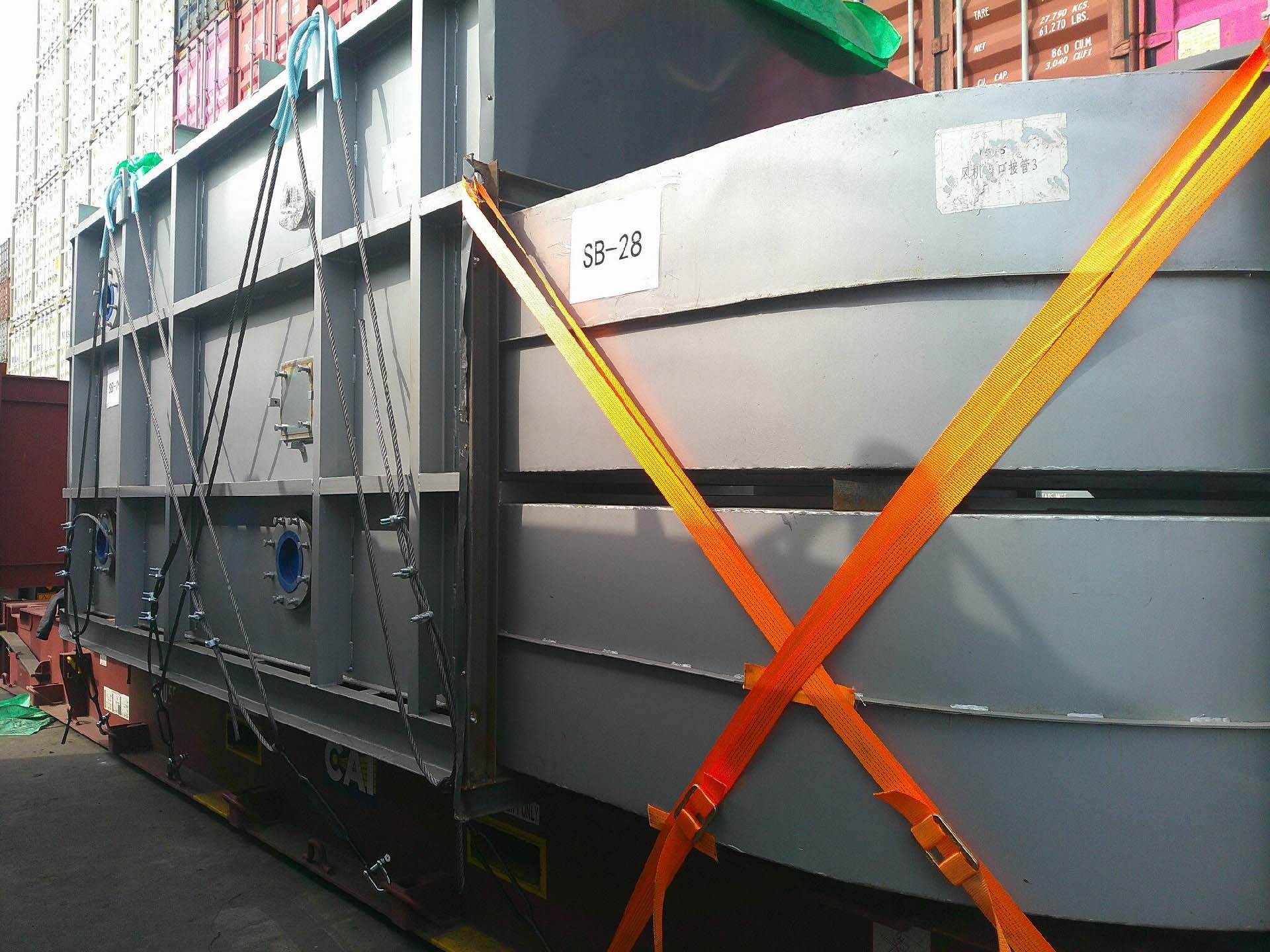
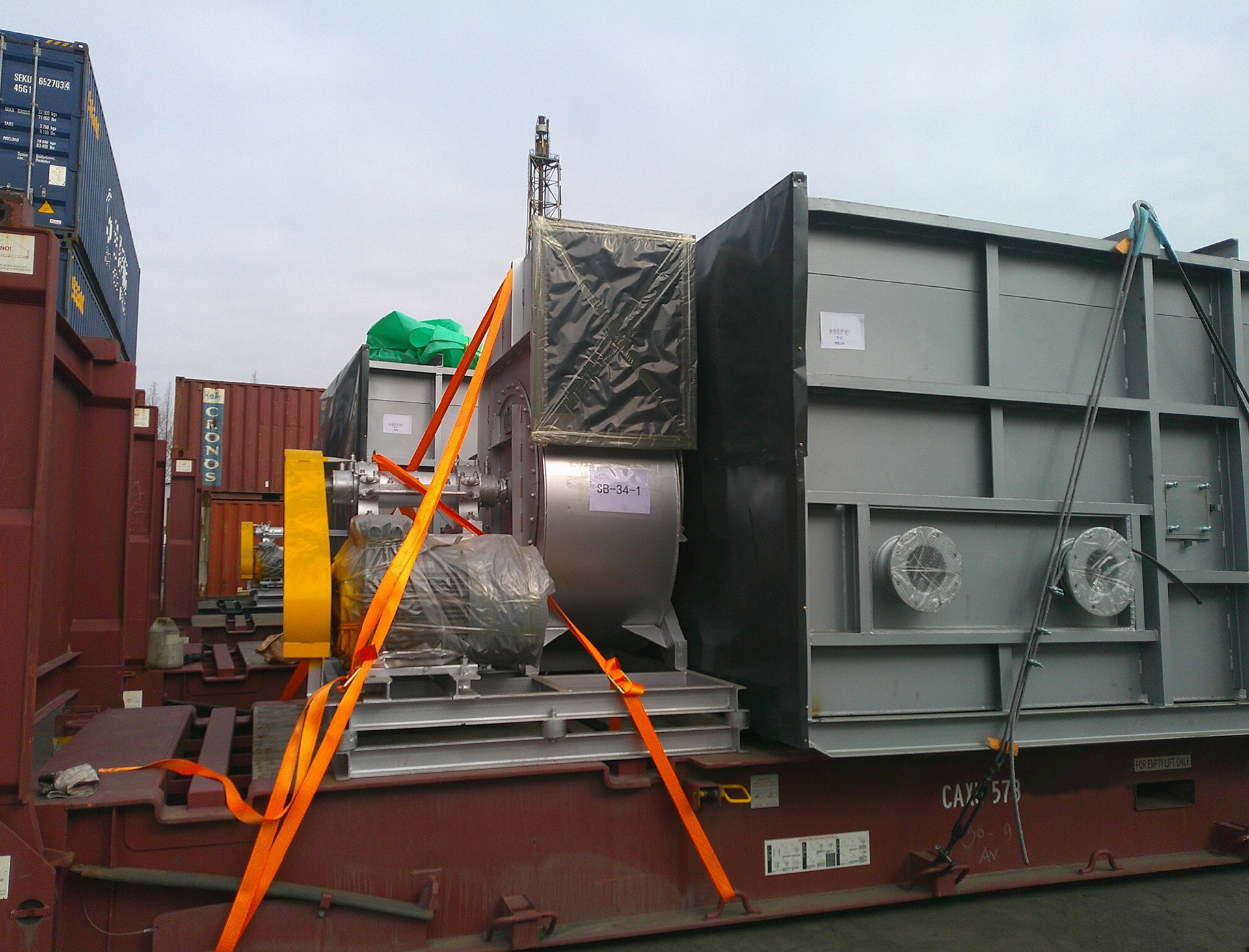
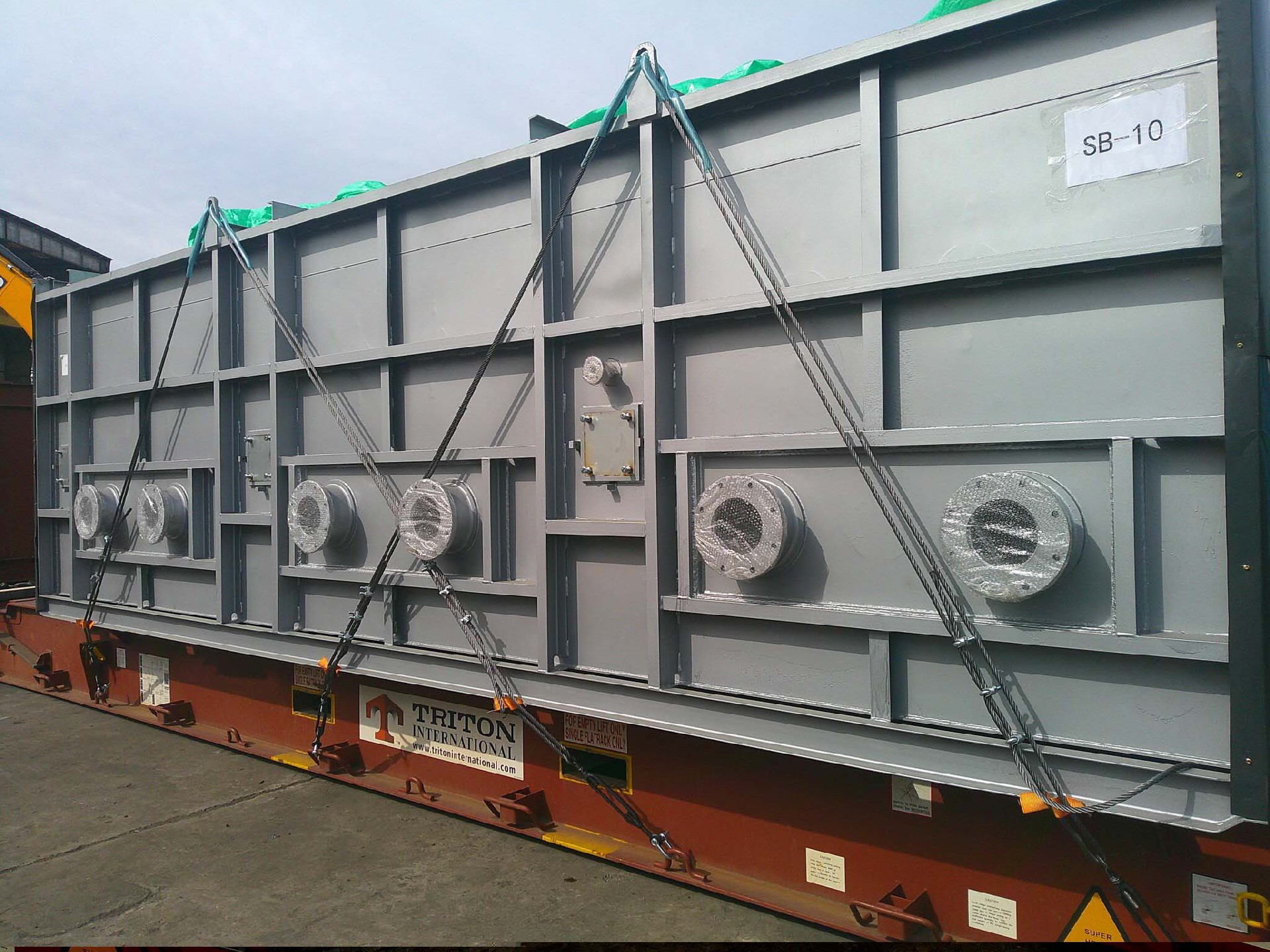
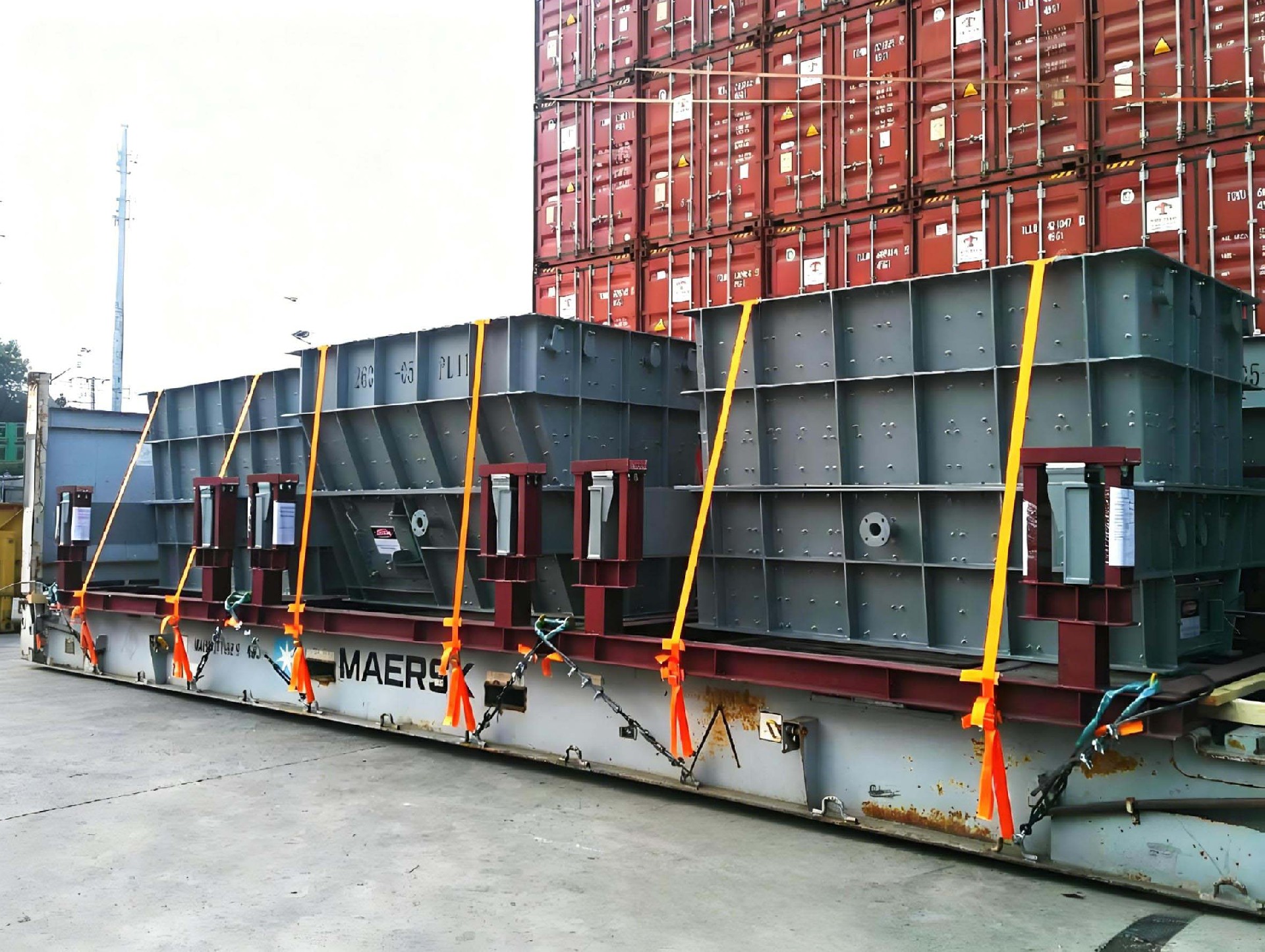
The boiler flue gas and air system is a critical component of power station boilers and industrial boilers. It is responsible for delivering combustion air to the boiler furnace and exhausting the flue gas generated during combustion. We provide professional transport services from manufacturing plants to power plants or industrial project sites. We offer both integral and split shipments, covering all types of non-standard steel structures and rotating equipment within the flue gas and air system.
Common Types
Flue Gas Ducts (Rectangular/Circular, including expansion joints, damper doors, manholes)
Air Ducts (Hot air, cold air, primary air, secondary air)
Air Preheaters (Rotary, Tubular)
Forced Draft (FD) Fans, Induced Draft (ID) Fans, Primary Air (PA) Fans, Secondary Air (SA) Fans
Flue Gas Recirculation System Piping & Equipment
Chimney Inner Liners & Chimney Accessories
Dust Collector Inlet/Outlet Ducts
Desulfurization & Denitrification System Ducts & Connectors
Silencers, Dampers, Control Dampers, Isolation Dampers
Key Transport Challenges
Large and Irregular Dimensions: Flue gas/air ducts are often rectangular (side lengths up to 2-5m) with lengths ranging from several to over ten meters. Some are circular or irregularly shaped, making stable placement difficult.
Thin Walls, Low Rigidity, Prone to Deformation: Duct wall thickness is typically 6-12mm. Large rectangular ducts, due to their large cross-section and relatively thin walls, are prone to twisting or denting if improperly supported during transport.
Wide Range of Single-Unit Weights: Small dampers and gates range from tens to hundreds of kilograms; large duct modules and air preheaters can reach several to tens of tons.
Internal Components & Accessories Prone to Damage: Ducts may have internal flow deflectors or wear liners, and external stiffeners, flanges, manholes, and measuring ports. These can be deformed by impact during transport.
High Sealing Requirements for Flange Faces: Duct flange faces must remain flat. Deformation during transport can lead to poor sealing during site installation, causing air leakage problems.
Insulation Prone to Damage: Some ducts are shipped with pre-installed insulation (rock wool / aluminum silicate + outer cladding). Impact during transport can damage the insulation structure.
Large Volume but Relatively Lightweight: Large rectangular ducts have significant volume but low self-weight (due to thin walls). After loading, they have a large windage area. Deck stowage on sea vessels must consider wind load effects.
Our Transport Solutions
Packaging & Securing
Use specialized transport frames or steel saddles. The duct rests on the saddle with multi-point bottom support to prevent deflection.
Weld temporary connection plates or bolt the module to the saddle, then weld the saddle to the transport vehicle.
When stacking multiple duct modules, place wooden dunnage or rubber pads between layers, with each layer secured individually.
Rectangular Duct Modules:
Circular Ducts / Pipes: Use V-shaped or curved saddles to prevent rolling; secure with straps.
Flange Face Protection: Cover all duct end flanges with plywood or wooden boards, secured with straps to prevent impact damage during transport.
Accessory & Internal Component Protection: Protect protruding accessories such as manholes, measuring ports, and damper actuators with wooden cages or foam wrapping. Add temporary supports for internal flow deflectors if not fixed.
Insulated Ducts: Wrap the outer cladding with stretch film or geotextile; add edge protectors to prevent scratching and rain intrusion.
Rotating Equipment (Fans, Air Preheaters): Pack in wooden crates or steel-frame boxes with internal cushioning materials. Add shaft end protectors and lock the rotor.
Lifting & Handling
Lift using the equipment's built-in lifting lugs or designated lifting points. Pre-weld lifting lugs to duct module frames.
For large thin-walled ducts, use a spreader beam or multi-point sling (minimum 4 lifting points) to prevent wall deformation during lifting.
Use nylon slings or soft slings; direct contact of wire ropes with duct walls or flange faces is prohibited.
Loading/unloading must be performed on a level surface. Place wooden sleepers on the ground before setting down ducts.
Transport Modes
Breakbulk Vessels: Flue gas and air system equipment is typically stowed on deck or in holds. Weld large duct module bases to the vessel structure; separate modules with wooden dunnage and secure as a whole.
Flat Rack Containers: Suitable for relatively small duct modules or air preheaters. Secure the equipment to the flat rack floor.
Open-Top Containers: Suitable for small/medium duct modules or fans.
Use flatbeds or low-bed hydraulic multi-axle trailers, selecting the vehicle type based on unit dimensions and weight.
For over-width, over-height, or over-length duct modules, apply for oversize transport permits in advance. Plan the route and identify overhead and side clearance restrictions.
Arrange escort vehicles (front and rear).
Road Transport:
Sea Freight:
Multimodal Transport: Road + sea combined; door-to-door service from the manufacturing plant to the power plant/industrial site.
Value-added Services
Advance route survey and preparation of oversize transport plan.
Assistance with export customs declaration and equipment HS code classification.
Pre-shipment photo and video documentation of equipment condition, flange flatness, and accessory integrity.
Shock recorder (vibration monitoring) service during transport, especially for precision rotating equipment such as air preheaters.
Coordination of crane unloading at destination port/site and placement of modules in designated sequence for installation.
On-site joint inspection and parts handover before installation, upon request.
Our Advantages
Long-term experience in transporting boiler flue gas and air system equipment for power stations and industrial boilers. We are familiar with the support and securing requirements for rectangular ducts, circular ducts, air preheaters, fans, and other equipment.
Specialized saddle + multi-point support solution for large thin-walled rectangular ducts, effectively preventing deflection during transport. Flange faces arrive flat, eliminating the need for secondary on-site correction.
All flange faces are protected with wooden covers before shipment, preventing sealing surface damage from impact during transport.
Loose internal accessories such as flow deflectors are secured with temporary welds or straps before shipment to prevent detachment and damage.
Transport route surveyed before shipment; oversize duct permits processed in advance to ensure legal and compliant passage, avoiding en-route detention.
Duct main bodies can be shipped together with dampers, gates, expansion joints, silencers, and other accessories in a single batch for unified customs clearance and one-time handover on arrival.
Stable breakbulk vessel slot resources on major global routes, allowing flexible schedule arrangements based on project timelines.