.png)


 英文
英文
A grab machine is a bulk material handling equipment driven hydraulically or mechanically, widely used in port terminals, mining operations, construction foundation pits, ship loading/unloading, and s···

Hydraulic Grab
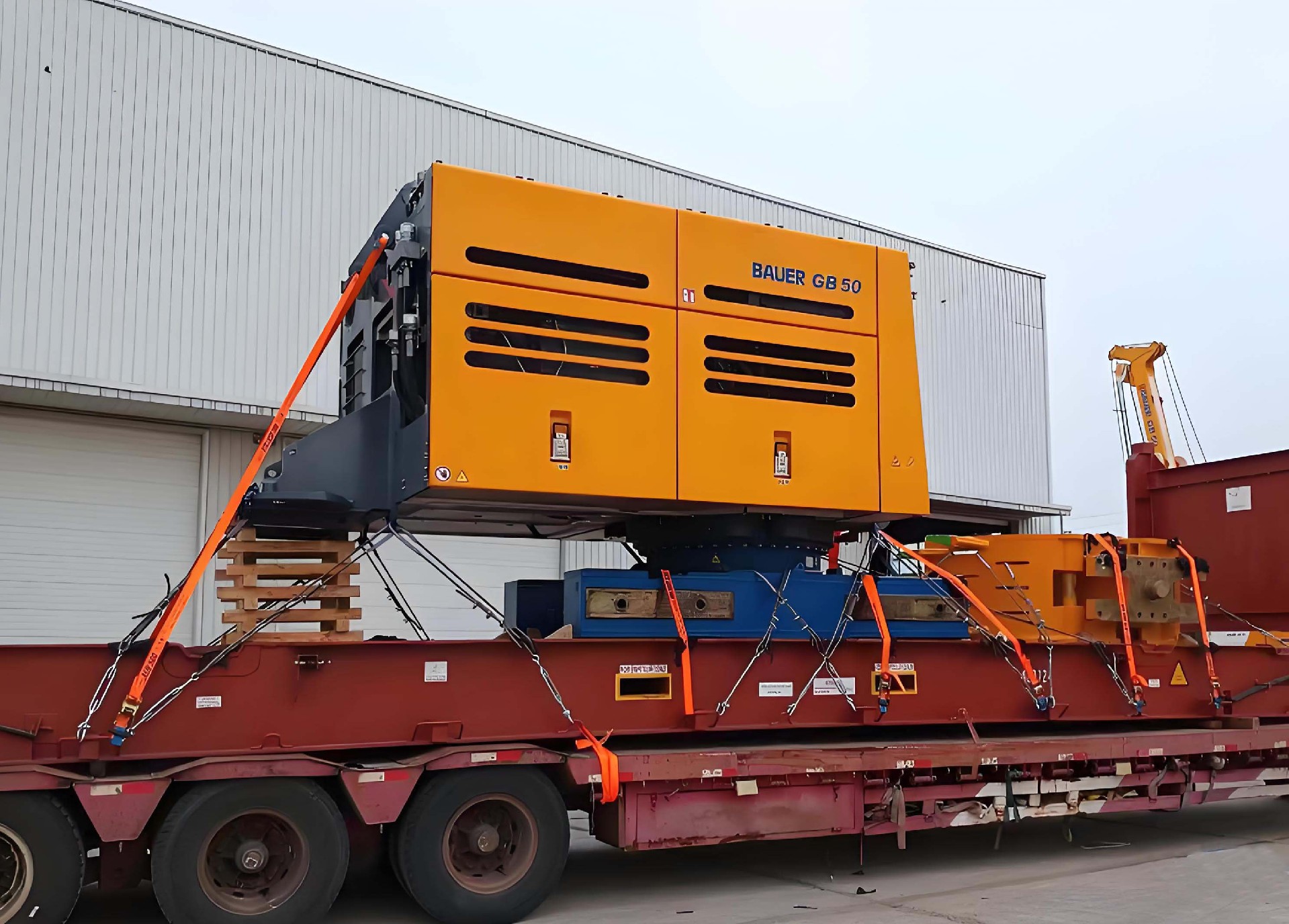

Grab Machine Transport
服务详情
A grab machine is a bulk material handling equipment driven hydraulically or mechanically, widely used in port terminals, mining operations, construction foundation pits, ship loading/unloading, and scrap steel processing. We provide professional transport services from factories, repair points, or construction sites to domestic/overseas destinations (including steel plants, ports, and site yards). We cover the shipment of complete grab machines, grab attachments, and companion power units. Whether it is a complete grab crane, grab loader, or an individual hydraulic or mechanical grab, we can handle the transport.
Common Types
Crawler Grab Loader / Scrap Steel Handler: Equipped with a cabin and boom, suitable for site yards, steel plants, scrap metal recycling yards, etc.
Hydraulic Grab: Features a hydraulic cylinder-driven opening/closing structure, operated by an excavator, crane tower, or grab loader. Includes non-rotating and hydraulic rotating types.
Mechanical Grab: No independent opening/closing power; driven by external force from wire ropes or linkages. Includes double-rope, four-rope, and single-rope grabs.
By structure shape: Clamshell grab (double jaw) and orange peel grab (multi-jaw or multi-petaled). The latter is especially suitable for grabbing large bulk materials such as boulders, scrap steel, and garbage.
Grab Crane (Overhead / Gantry): Grab device mounted on overhead or gantry cranes.
Key Transport Challenges
Irregular Shape, Unstable Load Center of Gravity: When transported in the closed and stowed position, the grab has a highly irregular shape. The open jaws or protruding cylinders are prone to sliding during emergency braking, turning, or uphill/downhill driving, potentially causing vehicle rollover.
Heavy Single-Unit Weight and Oversized Dimensions: Large diaphragm wall hydraulic grabs can have an overall height of over 18 meters and a transport width of nearly 3.5 meters. The Sany SH950 model has an operating weight of 135 tons. Individual grab components can weigh from several to tens of tons, making them typical heavy-lift cargo.
Hydraulic and Electrical Components Prone to Damage: The grab contains precision hydraulic cylinders, control valve blocks, sensors, and (if remote-controlled) wireless receivers. Severe vibration or hard impact during transport can easily cause cylinder leakage, piston rod deformation, or electrical equipment failure.
Risk of Hydraulic Oil Leakage Before Transport: For hydraulic grabs, if the cylinder piston rods are not fully retracted or the grab is not correctly positioned before transport, tilting during transit can easily cause hydraulic oil to leak from the air filter or breather valve, contaminating the vehicle deck and potentially causing oil loss.
Our Transport Solutions
Pre-loading Inspection & Preparation
Take photos of hydraulic oil level and electrical circuit status before pickup.
For hydraulic grabs: Fully close the jaws to ensure piston rods are completely retracted or in a specific locked state, preventing high-pressure oil circuits from being stressed during transport.
If transporting lying flat on a truck flatbed or container floor (typically for individual grab components), position strictly according to the arrow markings on the equipment (if "↑" upward mark exists) to prevent hydraulic oil leakage.
Pack the power unit, hydraulic station, or accessory box separately in wooden crates or on pallets, placed alongside the main equipment for shipment.
Securing & Lashing
Whole machine transport (grab loader / scrap steel handler): Fully retract the working equipment (boom, stick) to the minimum swing radius. Forcibly secure the bucket or grab to the body tow hook using chains to prevent unexpected boom swing during transit.
Individual grab component transport: Due to the lack of a flat surface on the grab, use wooden dunnage or sleepers to level the closed working face (back) of the grab on the flatbed, or place directly on a custom welded steel frame base.
Lashing point selection: Never lash to weak parts such as cylinder piston rods or valve blocks. Use chains or nylon slings with tensioners, tying in a "figure-eight" or "star" pattern at the grab's upper beam or designated lifting lugs to resist lateral and longitudinal inertia forces.
Multi-layer stacking restrictions: Except for very small models, heavy grabs are generally prohibited from stacking in multiple layers to prevent compression deformation of the bottom unit.
Transport Modes
For over-height grab assemblies or large grab loaders, we recommend open-top containers or flat rack containers, or direct shipment by breakbulk vessel.
When stowing on a breakbulk vessel deck or in holds, weld stoppers and secure with high-strength chains. Cover with tarpaulin to prevent seawater corrosion.
If a small amount of anti-rust oil or hydraulic oil remains in the hydraulic system, declare "machine contains oil" in the dangerous goods packaging declaration for export customs. Lay absorbent pads and plastic sheeting at the container bottom to prevent oil leakage onto the deck or floor.
Crawler grab loaders (whole machines) are typically transported on low-bed hydraulic modular trailers. Most excavators or grab loaders use self-loading via ramps.
Over-width machines (e.g., width exceeding 3m) must have an oversize transport permit obtained in advance, with a route planned to avoid height-restricted overpasses and narrow bridges.
Domestic/Cross-border Road Transport:
Sea Freight Export:
Our Advantages
We know the vulnerable points of grab machines and never lash straps to cylinder rods or hoses.
For hydraulic grab transport, we seal breather holes in advance and position the grab correctly.
We use wooden dunnage and stoppers to prevent the grab from rolling on the flatbed, even during emergency braking.
Deliveries to steel plants, ports, or construction sites arrive ready for direct offloading and use.