.png)


 英文
英文
Industrial liquid in drums is widely used in petrochemicals, fine chemicals, food processing, pharmaceutical manufacturing, coatings and inks, and environmental water treatment industries. We provide ···

Industrial Liquid in Drums
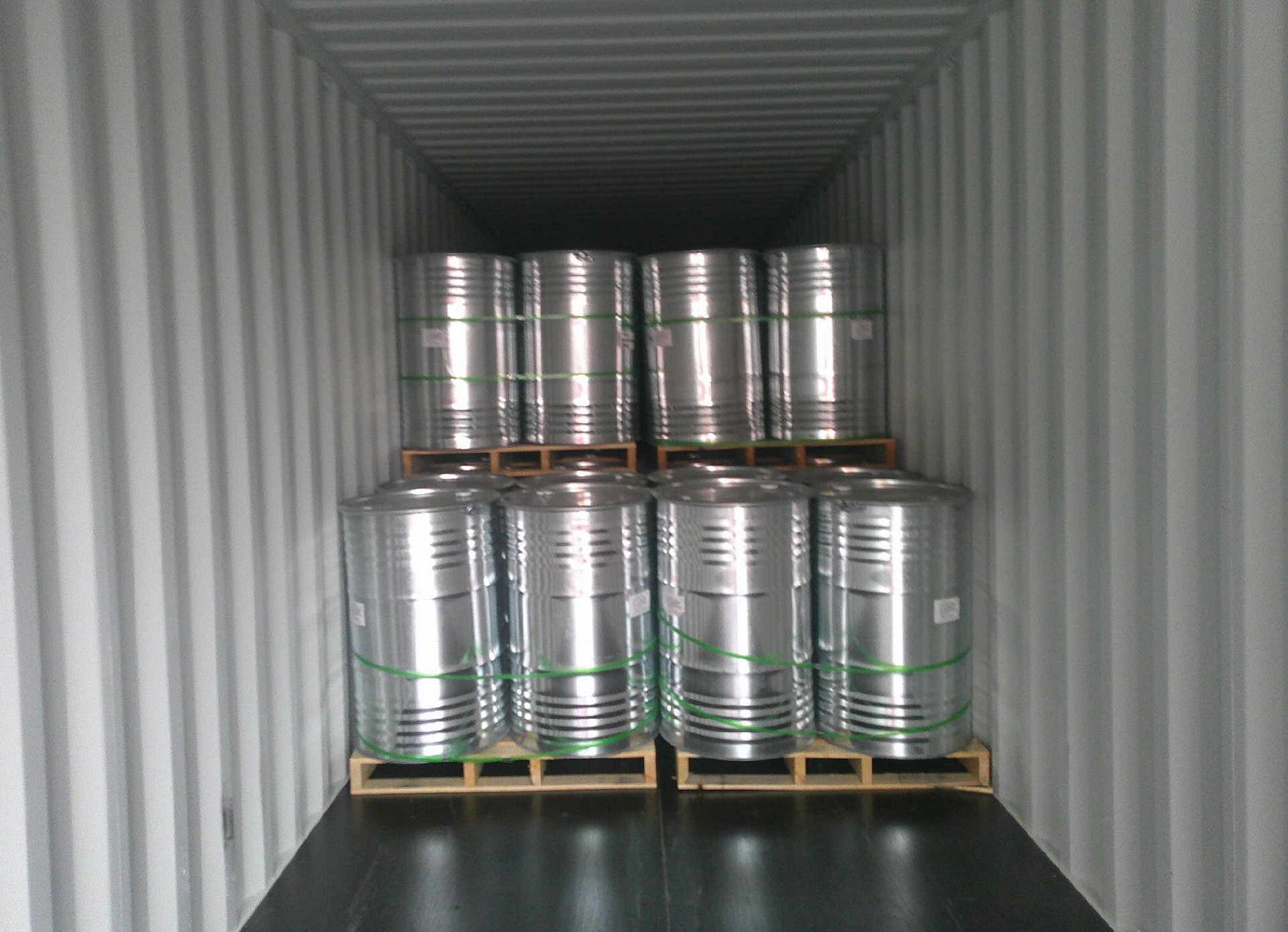

Industrial Liquid in Drums Transport
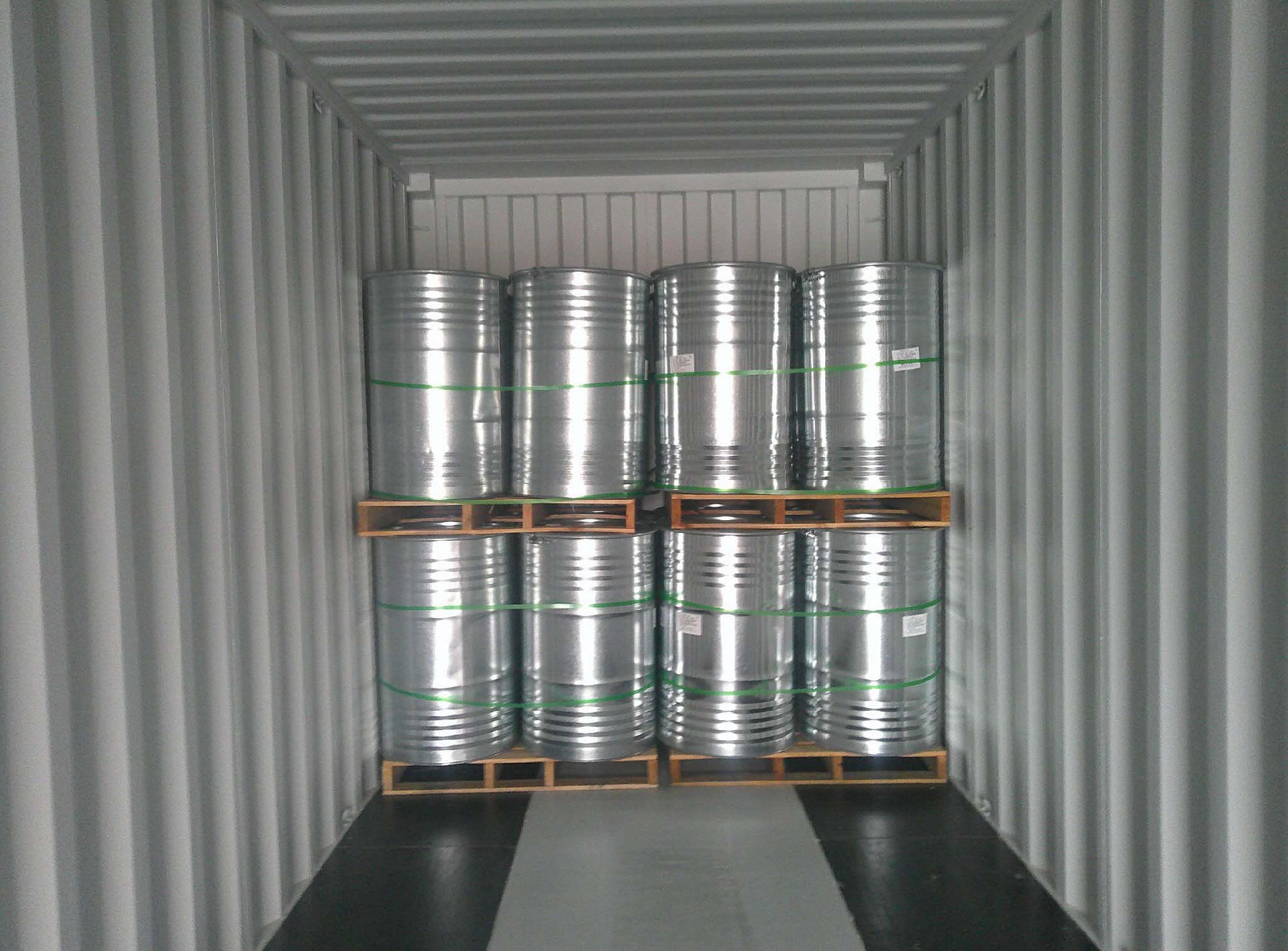
Industrial Liquid in Drums Transport
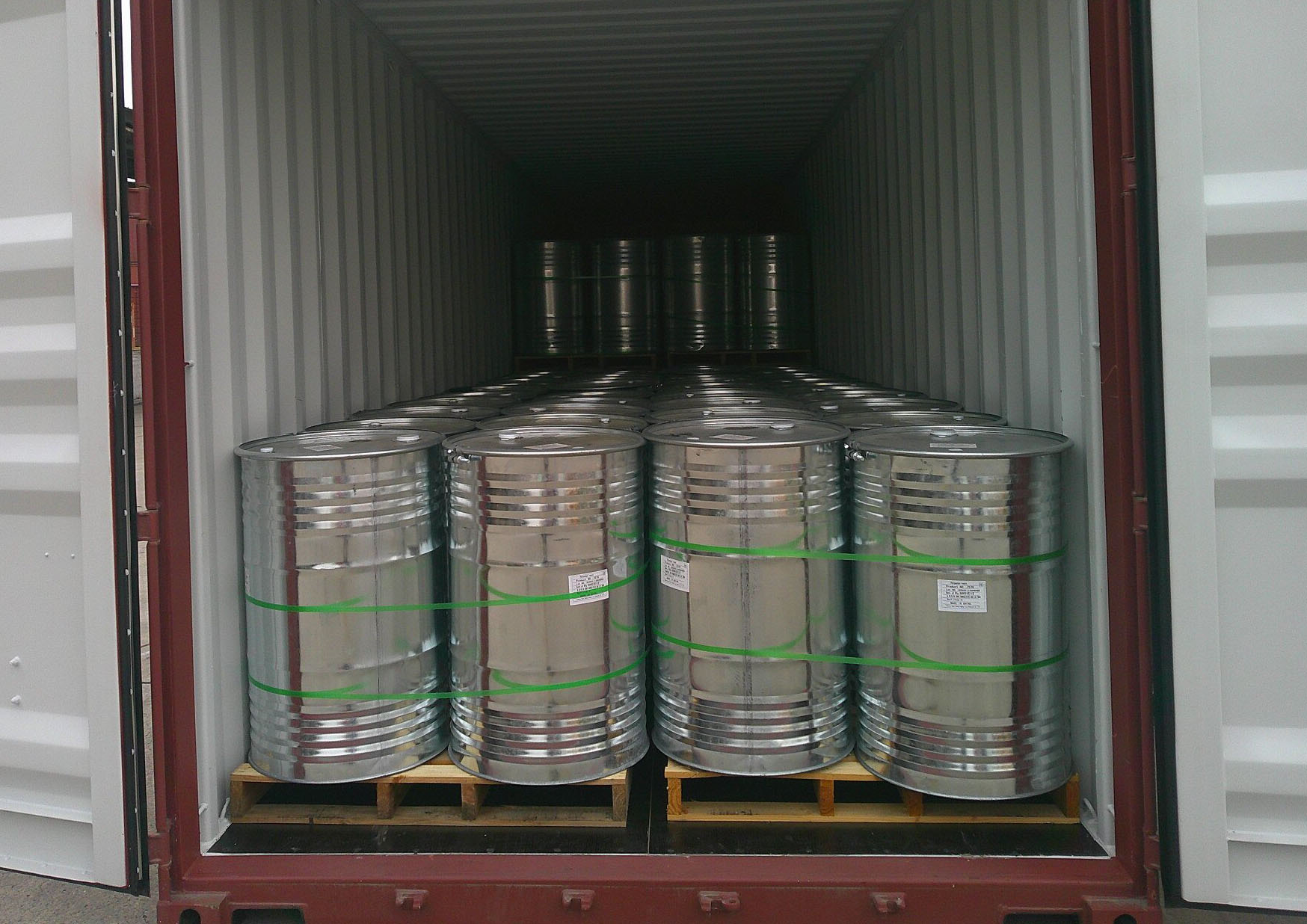
Industrial Liquid in Drums Transport
服务详情
Industrial liquid in drums is widely used in petrochemicals, fine chemicals, food processing, pharmaceutical manufacturing, coatings and inks, and environmental water treatment industries. We provide professional drummed liquid transport services from manufacturing plants and warehouses to domestic/overseas project sites, covering various packaging specifications and hazardous/non-hazardous liquids.
Common Types
Lubricating Oil, Hydraulic Oil, Thermal Oil
Industrial Solvents (Alcohols, Ketones, Esters, Aromatics)
Chemical Raw Materials (Acids, Alkalis, Salt Solutions)
Coatings, Paints, Inks, Adhesives
Food-grade Liquids (Edible oils, Syrups, Fruit juices, Food additives)
Pharmaceutical Intermediates and API Solutions
Water Treatment Chemicals (Flocculants, Corrosion inhibitors, Biocides)
Surfactants, Emulsions, Cutting Fluids
Key Transport Challenges
High Risk of Leakage: Poor drum sealing or impact/compression during transport can cause liquid leakage, contaminating the vehicle, container, and other cargo. Hazardous liquid leakage may also cause safety incidents.
Stacking Height Restrictions: Different drum sizes and materials (steel drums, plastic drums, IBC totes) have different allowable stacking heights. Exceeding the limit can cause deformation or even rupture of the bottom drums.
Cargo Shifting and Tipping: Drummed cargo, if not properly secured during transport, can roll or tip over during vehicle turning or emergency braking, causing drum damage.
Strict Hazardous Goods Compliance Requirements: Hazardous liquids must comply with IMDG Code, IATA DGR, and domestic road transport regulations for dangerous goods. Packaging, labeling, declaration, and vehicles all have specific requirements.
Temperature Control Requirements: Some liquids (e.g., certain chemical raw materials, food-grade liquids) require transport within a specific temperature range. Exceeding the range may cause deterioration, crystallization, or solidification.
Prohibited Mixing: Liquids of different properties (e.g., acids and alkalis, oxidizers and reducers) must not be mixed, as leakage could cause violent reactions.
Empty Drum and Residue Handling: Returned empty drums may contain residual liquid and must be declared and transported as hazardous goods or under specific requirements.
Our Transport Solutions
Packaging Inspection & Pre-treatment
Inspect each drum before shipment for dents, bulging, rust, or signs of leakage. Tighten drum lids and apply tamper-evident caps or sealing tape.
For hazardous liquids: Verify that packaging has UN certification markings. Check that labels, marks, and hazard warning signs are complete and legible.
For IBC totes: Inspect the frame structure for integrity, ensure the bottom pallet is undamaged, and confirm valve and closure seals are reliable.
For empty drum return: Confirm residual liquid has been drained and cleaned. Open drum lids for ventilation, or declare transport based on residual liquid properties.
Packaging & Securing
Stack single-layer on pallets. Stacking is prohibited (except for reinforced IBC totes where stacking is permitted; verify allowable stacking height with manufacturer).
Secure IBC tote to pallet with straps or strapping bands to prevent shifting during transport.
Stack on pallets with pallet size matching drum diameter. Place anti-slip cardboard or rubber pads between drums.
Lay cardboard or plastic dividers between drum layers. Orient all drum openings in the same direction (upward).
Stacking height: Steel drums generally no more than 3 layers (based on drum strength). Plastic drums generally no more than 2 layers.
Wrap the entire pallet load with stretch film. Add corner protectors. Secure with strapping bands or shrink wrap.
Steel/Plastic Drums (200L and below):
IBC Totes (1000L):
Loose individual drums (non-palletized): Use dedicated slot boards or a combination of air bags + wooden dunnage + straps inside the vehicle to secure each drum individually.
Loading & Securing
All drummed cargo must be tightly stowed inside the transport vehicle. Fill gaps with air bags, cardboard boxes, or wooden dunnage to prevent movement during transport.
Enclosed vans or containers: Stack palletized drums in order. Install a stop board or air bags between the last pallet row and the container door.
Flatbeds: Cover drummed cargo with waterproof tarpaulin. Secure with straps in a cross pattern. At least 4 straps per pallet.
Hazardous goods transport: Vehicle must be equipped with hazard warning signs, fire and explosion prevention equipment (fire extinguisher, static grounding strap), and emergency leak response kit (absorbent pads, chemical-resistant gloves, goggles, etc.).
Transport Modes
Standard container: Load pallets; fill gaps with air bags or wooden dunnage. Install a stop board at the container door.
Hazardous goods container: Segregate and stow in accordance with IMDG Code. Display hazard placards on the container exterior.
Breakbulk vessel hold: Suitable for large quantities of IBC totes. Weld or strap totoes to the hold floor.
Non-hazardous liquids: Use enclosed vans or high-sided trucks. Stack pallets and secure with straps.
Hazardous liquids: Use vehicles with hazardous goods transport qualification. Carry MSDS and transport documents. Travel on approved routes.
Temperature-controlled liquids: Use insulated or refrigerated trucks. Record temperature data throughout the trip.
Road Transport:
Sea Freight:
Multimodal Transport: Road + sea combination for door-to-door service.
Value-added Services
Assistance with hazardous goods transport declarations (IMDG, ADR, domestic road transport permits for dangerous goods).
MSDS review and transport label creation services.
Pre-shipment photos of drum appearance, sealing condition, and packaging method.
Temperature data logger for temperature-controlled liquids (data exportable).
Coordination of offloading at destination port/site and stacking at customer's designated warehouse location.
Empty drum return service: Cleaned used drums can be collected by return vehicles.
Our Advantages
Years of experience handling various industrial drummed liquids; familiar with stacking specifications and securing requirements for steel drums, plastic drums, and IBC totes.
Visual and seal inspection of all drums before shipment, ensuring no leakage risk. Gentle handling during loading/unloading; no rough operations.
Triple-layer securing for palletized cargo: stretch wrap + strapping bands + corner protectors. Batch cargo drums remain stable without tipping or damaging each other during transport.
Hazardous goods transport: dedicated vehicles and emergency supplies; personnel hold hazardous goods transport qualification certificates, ensuring legal and regulatory compliance.
Temperature-controlled liquids: insulated or refrigerated trucks with fully traceable temperature data; arrival condition meets usage requirements.
Comprehensive service covering non-hazardous liquids, hazardous liquids, and empty drum return; clients need not source different carriers for different categories.
Stable hazardous goods container slot resources on major global routes; flexible schedule arrangements based on delivery deadlines.