English


Service Details
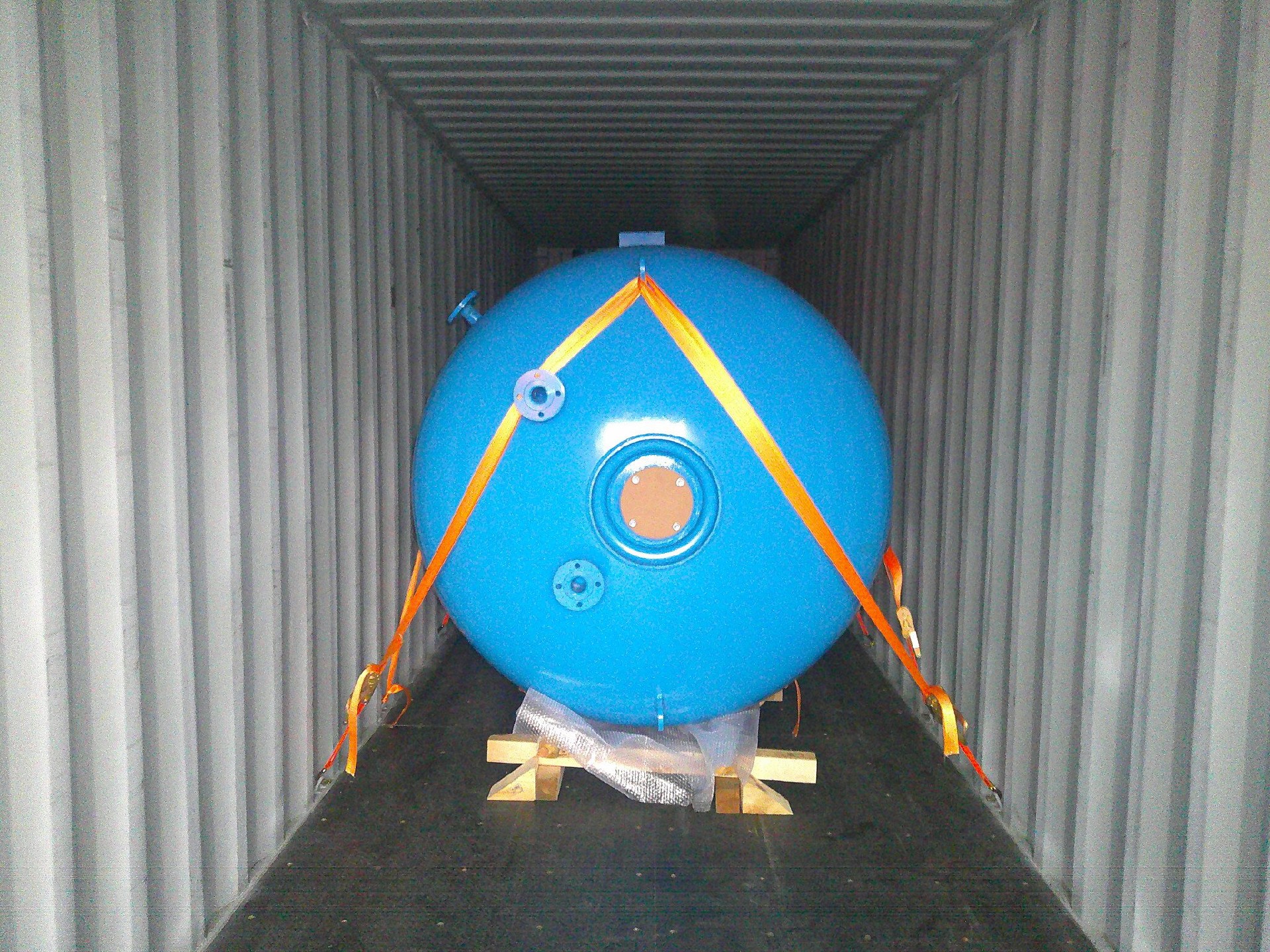
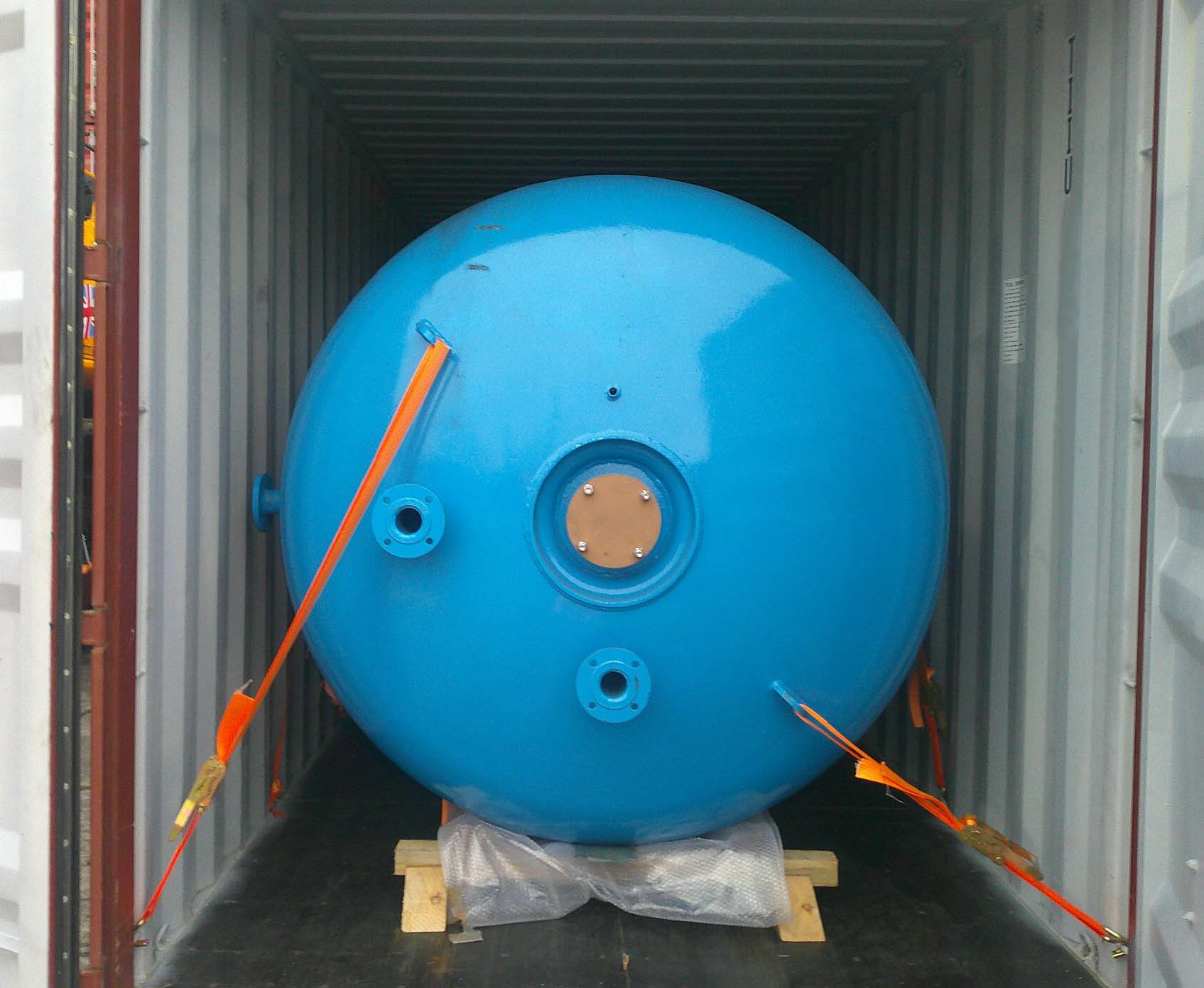
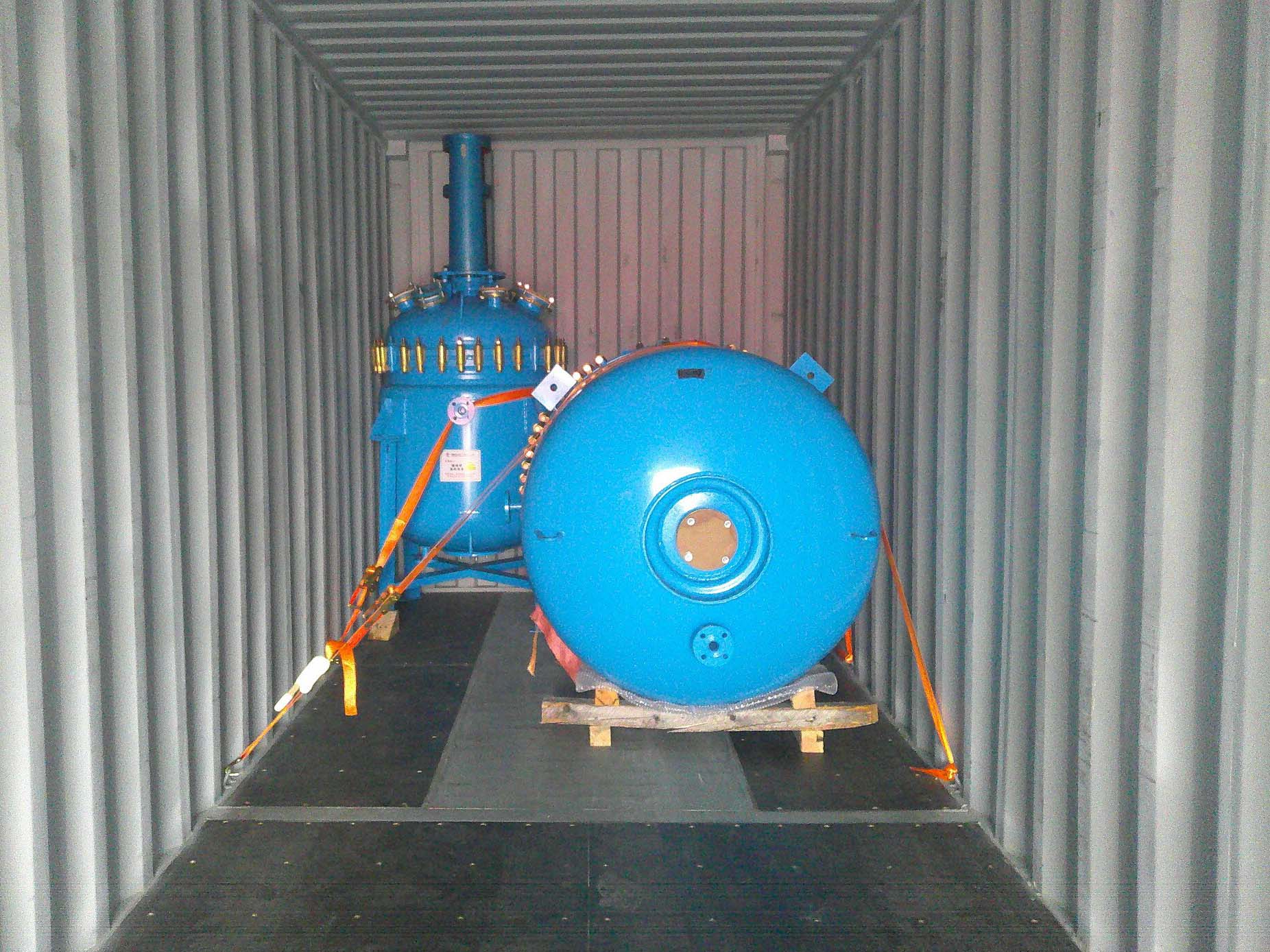
The enamel reaction kettle is a core reaction equipment widely used in the chemical, pharmaceutical, food, and dye industries, offering excellent corrosion resistance. We provide professional transport services from manufacturing plants and equipment repair shops to domestic/overseas project sites. Kettles can be shipped individually or in batches, as a whole or in dismantled parts.
Common Types
Open-type Enamel Reaction Kettle (Kettle cover and body separable)
Closed-type Enamel Reaction Kettle (Kettle body and cover integrally welded, with handhole)
Enamel Reaction Kettle with Agitator (including agitator, gear reducer, mechanical seal)
Electrically Heated / Steam Heated Reaction Kettle
External Coil Reaction Kettle
Laboratory Small-capacity Reaction Kettle
Key Transport Challenges
Extremely Fragile Enamel Layer: The inner surface and nozzle flange faces of the reaction kettle are covered with a glass enamel layer. It is hard but has low toughness. Impact from hard objects or severe vibration during transport can cause cracks or flaking, leading to scrapping of the entire equipment.
Heavy Single-Unit Weight: Capacities range from tens of liters to tens of thousands of liters. Large reaction kettles can have a net weight of several to over twenty tons.
Irregular Shape with Protruding Nozzles: The top and bottom heads are welded with multiple nozzles and flanges, including feed inlet, discharge outlet, sight glass port, thermometer port, and spare port. These are prone to mutual impact or stress deformation during transport.
Agitator and Internal Components Require Protection: If the agitator is not removed and packaged separately, it may swing and impact the kettle wall during transport, damaging the enamel layer.
High Requirements for Flange Sealing Faces: All flange faces (especially nozzle flanges and manhole flanges) must remain smooth and scratch-free; otherwise, the gasket cannot seal after installation.
Moisture and Rust Prevention: Although the enamel layer is corrosion-resistant, metal components such as flanges, nozzles, carbon steel outer shell, and gear reducers are prone to rust if exposed to moisture during transport, affecting appearance and service life.
Our Transport Solutions
Packaging & Securing
Kettle interior: Clean and dry, then lay flexible cushioning material (e.g., foam board, rubber pad) at the bottom to prevent agitator or foreign objects from impacting the kettle wall.
Agitator: Recommended to remove from the kettle and pack separately in a wooden crate with internal wooden frame fixing to prevent bending deformation. If transported together with the kettle, lift the agitator and secure with soft straps above the kettle opening, ensuring no contact with the kettle wall.
All flange faces: Cover with plastic protective caps or anti-rust paper + tape. Seal flange bolt holes with plastic plugs.
Nozzles and protruding parts: Wrap with wooden or plastic protective covers, then with bubble wrap to prevent mutual impact.
Kettle outer shell: Bare stowage or simple waterproof tarp cover, but mark load-bearing points such as lifting lugs and support legs.
Gear reducer and motor: Pack separately in wooden crates with internal cushioning material. Label "Precision Equipment".
For open-type kettles, the cover and body can be stacked for transport, but must have thick rubber or wooden dunnage between them, and each must be secured separately.
Lifting & Handling
Lift using the equipment's built-in lifting lugs (typically welded on the top head or mid-section of the kettle). Never use nozzles, flanges, or the agitator hook as lifting points.
Use a spreader beam or multi-point slings during lifting to ensure the kettle body lifts vertically, avoiding tilt that could cause tensile damage to the enamel layer.
Use nylon slings or soft slings for lifting. Prohibit direct contact of wire ropes with the kettle outer shell and flange faces.
Loading/unloading must be performed on a level, firm surface. Place wooden sleepers or rubber pads on the ground before setting down the kettle to prevent direct impact on the bottom head.
Transport Modes
Standard container: Suitable for small reaction kettles under 1000L. Pack the kettle in a wooden crate or steel-frame box. Fill the container sides with air bags or wooden dunnage to prevent sliding.
Open-top container or flat rack container: Suitable for medium reaction kettles. Bare stowage or steel frame fixing to the container floor. Apply additional protective covers to flanges and nozzles. Secure with straps around the perimeter.
Breakbulk vessel: Suitable for large or batch reaction kettles. Stow on deck. Weld base and secure with chain lashing. Cover the top with waterproof tarpaulin.
Small/medium reaction kettles (volume ≤ 5000L): Use enclosed vans with air suspension or flatbeds. Weld or strap the kettle to a dedicated steel frame. Place wooden dunnage under the bottom.
Large reaction kettles (volume > 5000L): Use low-bed hydraulic modular trailers. Secure the kettle on V-shaped or curved saddles. Tighten with chains on both sides.
Plan the route in advance, avoiding rough sections and height restrictions. Control speed to minimize vibration.
Road Transport:
Sea Freight:
Multimodal Transport: Road + sea combination for door-to-door service from factory to project site.
Value-added Services
Pre-shipment photos and videos of the kettle inner/outer wall, flange faces, nozzles, lifting lugs, and other critical parts to document initial condition.
Assistance with export customs declaration and HS code classification (enamel reaction kettles typically fall under chemical equipment).
Anti-rust treatment: apply anti-rust oil or VCI on exposed metal surfaces upon request.
Coordination of crane offloading at destination port and placement at customer's designated location (e.g., next to the chemical workshop installation foundation).
Optional shock recorder (vibration monitoring) service throughout transport for equipment acceptance and liability determination.
Our Advantages
Years of experience handling various enamel glass-lined equipment; familiar with the vulnerable points of the enamel layer. All flanges and nozzles are protected with a double layer of protective covers + cushioning before shipment.
For agitator and kettle transported on the same vehicle, develop a dedicated internal securing plan to ensure no contact between the agitator and kettle wall during transport.
Clean and dry the kettle interior before shipment to prevent moisture-induced flange rust.
Mandatory use of spreader beams and nylon slings for kettle lifting, eliminating enamel damage caused by tilt or metal contact.
Oversize large reaction kettles: road transport permits processed in advance; plan smooth routes to minimize vibration impact on the enamel layer.
Kettle main body can be shipped together with agitator, gear reducer, control cabinet, and other accessories in a single batch for combined customs clearance and one-time delivery.
Optional post-arrival enamel layer appearance inspection assistance.