.png)


 英文
英文
Large boilers are core equipment used in power stations, heating centers, and industrial production to generate steam or hot water. They are widely applied in thermal power generation, petrochemicals,···

Large Boiler
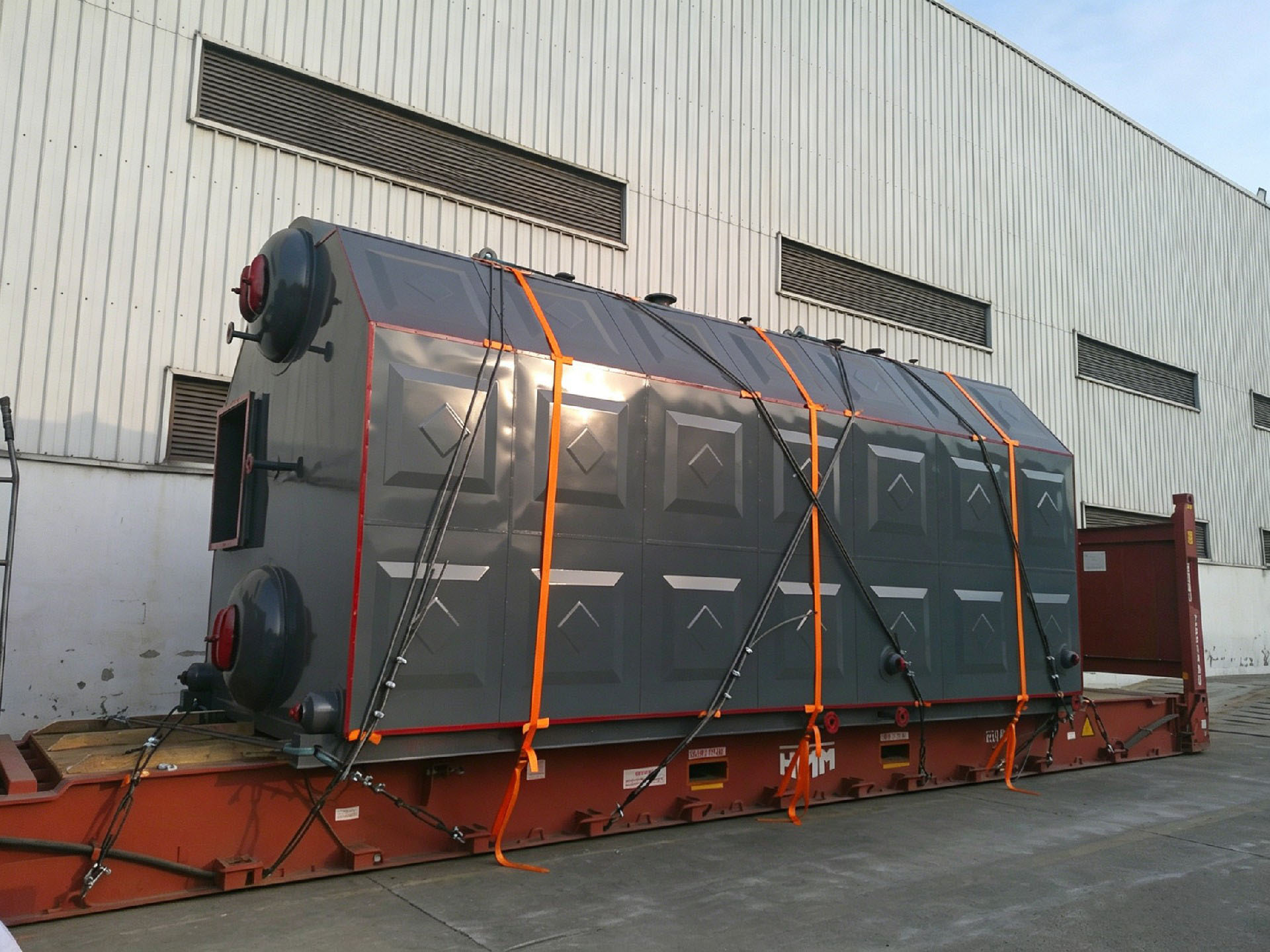

Large Boiler Transport
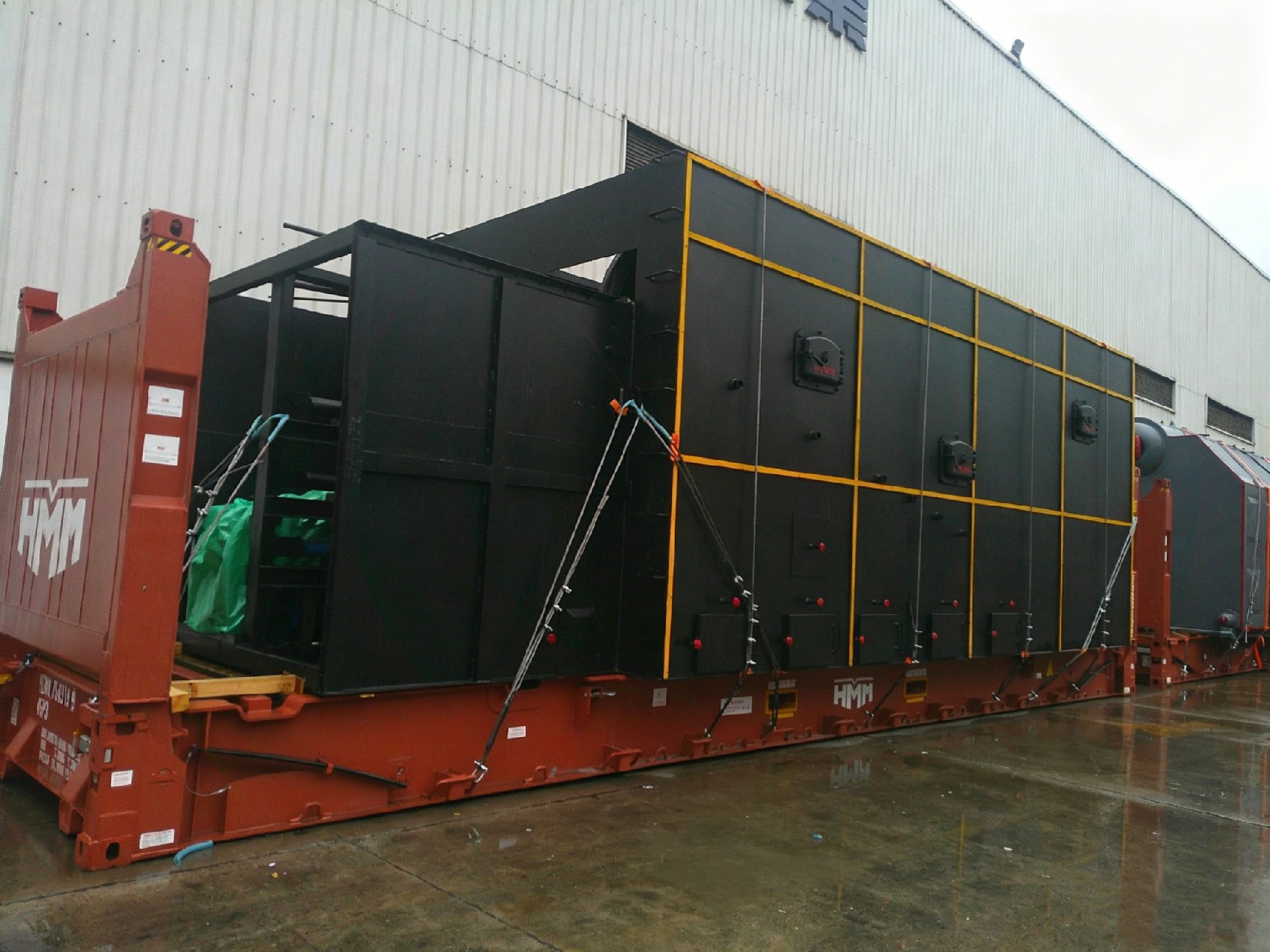
Large Boiler Transport
服务详情
Large boilers are core equipment used in power stations, heating centers, and industrial production to generate steam or hot water. They are widely applied in thermal power generation, petrochemicals, district heating, papermaking, food processing, and other industries. We provide professional transport services for large boilers from manufacturing plants to installation sites. Boilers can be shipped as a whole or in parts, covering the boiler body, auxiliary equipment, steel structures, and piping systems.
Common Types
Power Station Boilers (Pulverized coal boilers, Circulating fluidized bed boilers, Gas-fired boilers)
Waste Heat Boilers (Gas turbine waste heat, Industrial kiln waste heat recovery)
Industrial Boilers (Steam boilers, Hot water boilers, Thermal oil boilers)
Waste Incineration Boilers
Biomass Boilers
Boiler Body Modules (Drum, Water wall, Superheater, Economizer, Air preheater)
Boiler Auxiliaries (Coal pulverizer, Fan, Feedwater pump, Dust collector, FGD & DeNOx systems)
Key Transport Challenges
Extremely Heavy Single-Unit Weight: Boiler drums can weigh from tens of tons to over 300 tons. Water wall, superheater, and other modules weigh from several to tens of tons each.
Oversized Dimensions: Boiler component length, width, and height often exceed standard transport vehicle limits. Drum diameter can reach 2-3 meters; water wall tube panels can be 20-30 meters long.
Complex Structure with Thin Walls Prone to Deformation: Water walls, superheaters, and economizers are tube panel structures with thin walls and low rigidity. Improper support during transport can cause bending or deformation. Finned tubes are easily damaged by impact.
High Internal Cleanliness Requirements: The inner walls of boiler tubes must remain clean and free of impurities. Foreign matter entering during transport may cause tube blockage or bursting after commissioning.
Insulation and Sealing Surfaces Prone to Damage: Some boiler components have pre-installed insulation or flange sealing surfaces. Impact during transport can damage the insulation or cause sealing failure.
Numerous Companion Components: A large boiler contains thousands of parts, including steel structures, platforms and ladders, valves and instruments, and control systems. Counting and on-site handover are challenging.
Stringent Transport Route Requirements: Oversized components must be transported from the manufacturing plant to the port or project site. Bridges, curves, height restrictions, toll stations, and other obstacles along the route must be surveyed and coordinated in advance.
Our Transport Solutions
Dismantling & Packaging
Dismantle the boiler into independent transport units such as the drum, water wall tube panels, superheater tube panels, economizer, and steel structure modules based on the boiler design and transport conditions.
Tube panels (water wall, superheater): Use dedicated transport frames. Place rubber pads or wooden dunnage between tube panels to prevent friction. Cap tube ends with plastic protective caps.
Drum: Bare stowage with saddle supports at both ends and the middle. Place rubber pads between the drum and saddle contact surfaces.
Insulated components: Cover with waterproof tarpaulin or steel cladding; seal edges to prevent rain ingress.
Precision valves, instruments, control cabinets: Remove and pack individually in wooden crates with internal cushioning material.
Fasteners and small accessories: Pack by type in woven bags or wooden crates with detailed packing lists. Ship together with the main equipment.
Cover all pipe interfaces and flange faces with protective caps or sealing tape.
Lifting & Securing
Lift using the equipment's built-in lifting lugs. If no clear lifting points are available, use a dedicated lifting beam and multi-point slings. Direct wire rope binding of tube bundles or shells is prohibited.
For large components such as the drum, use a spreader beam to ensure smooth lifting. Use nylon slings or soft slings.
On the transport vehicle, support the drum with V-shaped or curved saddles. Secure on both sides with chains and tensioners.
Weld or bolt tube panel frames to the vehicle deck. Evenly distribute support points under the frame to prevent uneven stress and bending.
Steel structure modules are supported by steel frames and welded to the vehicle deck.
Transport Modes
Breakbulk vessels: Boiler components are typically stowed on deck or in holds. Weld components to the vessel structure. Place wooden dunnage between tube panel frames and secure as a whole.
Barges: Suitable for projects where the manufacturing plant is adjacent to a waterway, reducing road transport distance.
Use hydraulic modular trailers or multi-axle flatbeds. Determine the number of axles based on unit weight and dimensions.
Apply for oversize transport permits in advance. Plan the route and survey bridges, tunnels, toll stations, curves, and overhead obstacles.
Arrange escort vehicles (front and rear). Implement traffic control if necessary.
Control vehicle speed during transport to avoid sudden acceleration, braking, or severe jolting.
Road Transport:
Sea Freight:
Multimodal Transport: Road + sea + inland barge combination for door-to-door service from the manufacturing plant to the installation site.
Value-added Services
Advance route survey and provision of transport plan and bridge load assessment report (if required).
Assistance with export customs declaration and large boiler commodity inspection procedures.
Pre-shipment photo and video documentation of equipment condition, key dimensions, and packaging details.
Shock recorder (vibration monitoring) service during transport, providing full-trip vibration data.
Coordination of crane offloading at destination port/site and placement of components in sequence for installation.
On-site joint inspection and parts handover before installation, upon request.
Our Advantages
Long-term experience in transporting large power station and industrial boilers; familiar with support schemes and lifting point designs for drums, tube panels, steel structures, and other components.
All tube panels transported using dedicated frames. Tube ends protected with caps, cushioning layers between tubes. Arrival condition: no deformation, no blockage.
Detailed route survey before transporting oversized components such as drums. Bridge load capacity, height, and width restrictions resolved in advance to avoid en-route detention.
Complete oversize transport permits ensuring legal and compliant passage, with escort vehicles for safety.
Boiler main body can be shipped together with auxiliaries, valves, instruments, fasteners, etc., in a single batch with unified customs clearance and one-time handover, reducing client's multiple receiving efforts.
Optional shock recorder service; full-trip vibration data traceable for equipment acceptance and liability determination.
Stable breakbulk vessel route resources at major global ports; flexible schedule arrangements based on delivery deadlines.