.png)


 英文
英文
Industrial centrifugal fans are widely used for ventilation, induced draft, smoke exhaust, and material conveying in factories, mines, power stations, chemical plants, environmental protection facilit···

Industrial Centrifugal Fan
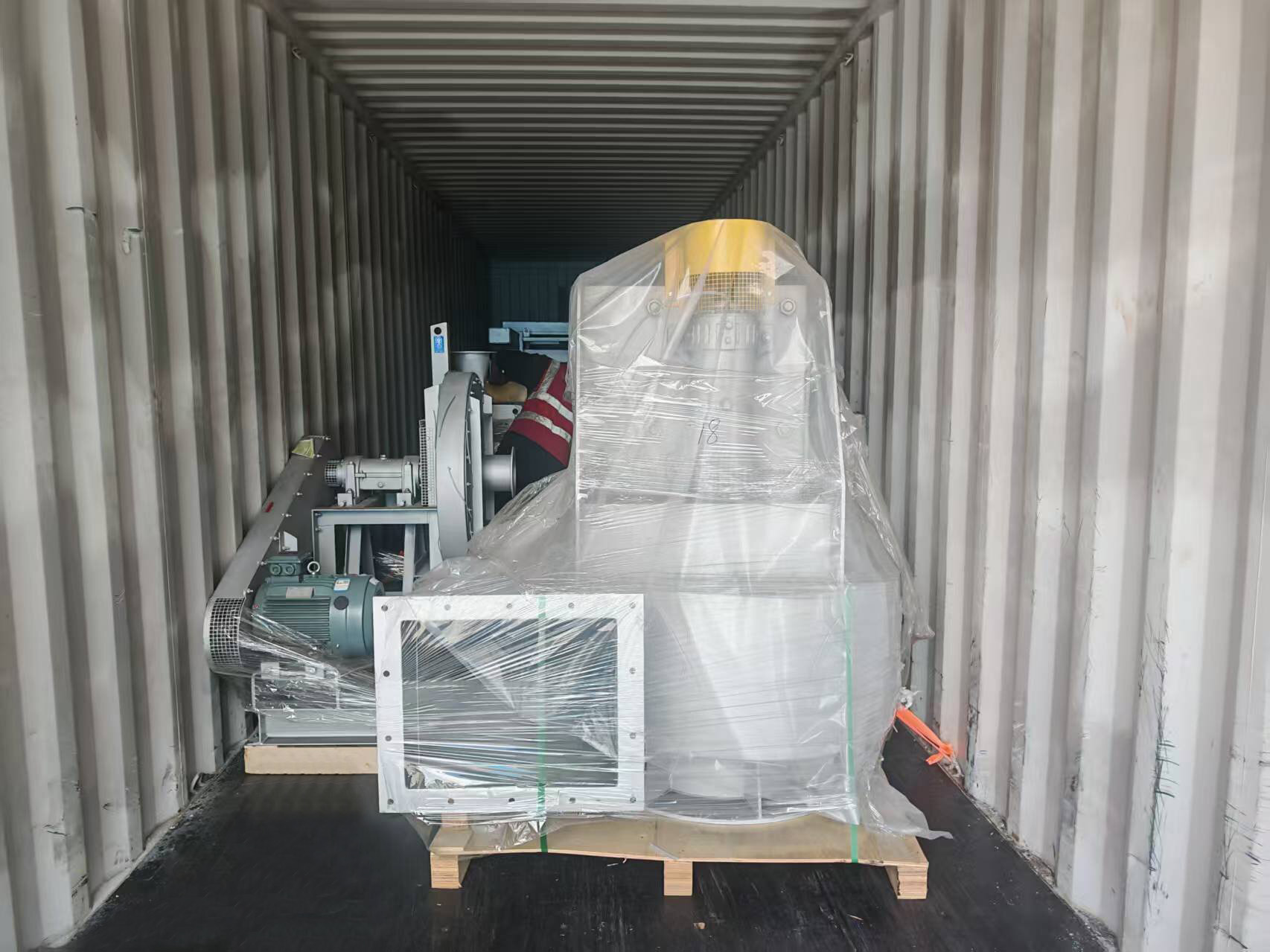

Industrial Centrifugal Fan Transport
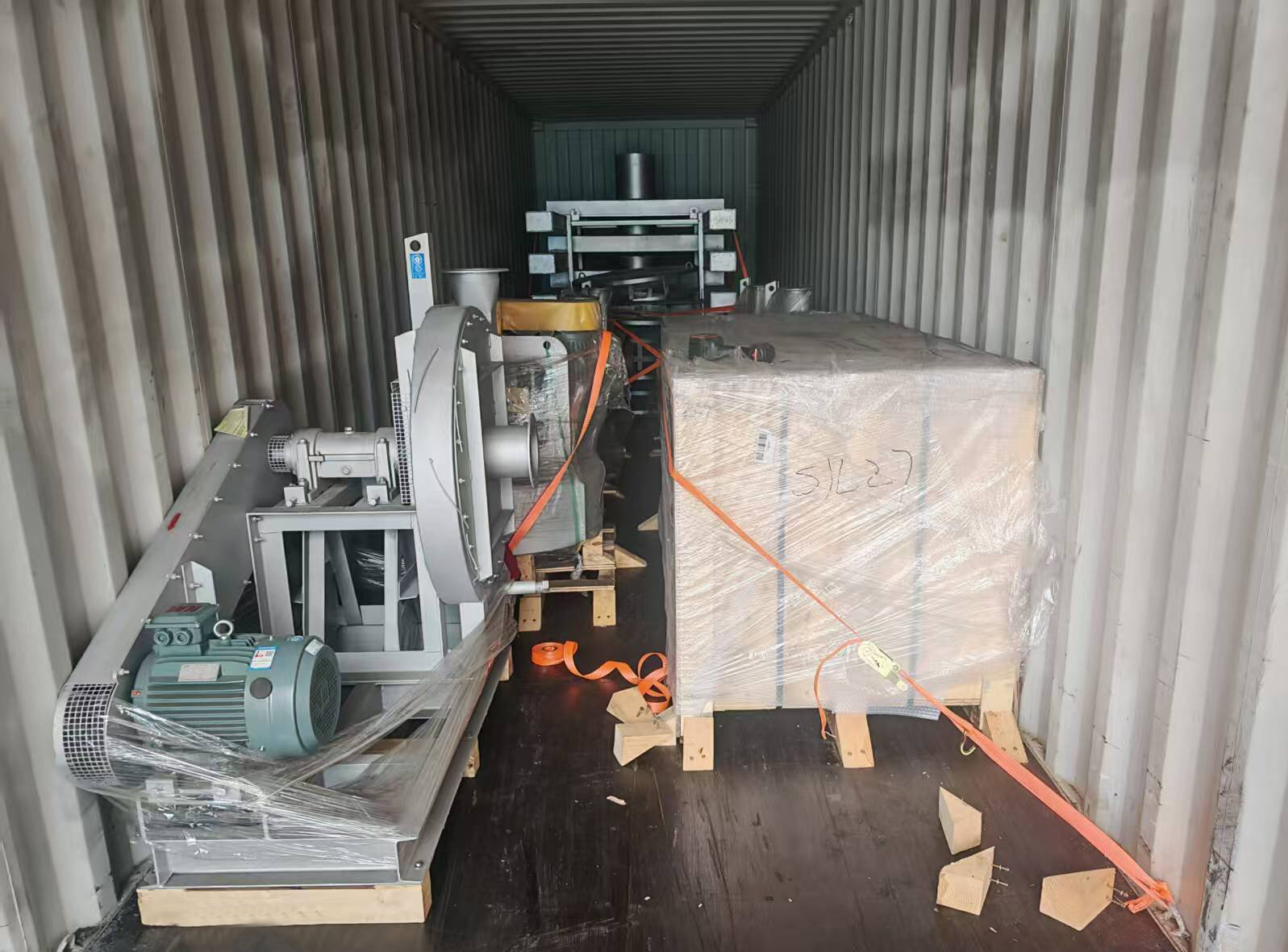
Industrial Centrifugal Fan Transport
服务详情
Industrial centrifugal fans are widely used for ventilation, induced draft, smoke exhaust, and material conveying in factories, mines, power stations, chemical plants, environmental protection facilities, and other fields. We provide professional transport services from fan manufacturing plants and repair workshops to project sites or end-user locations. Fans can be shipped as a whole or in dismantled parts, covering individual fans to batch procurement quantities.
Common Types
High-pressure Centrifugal Fan
Medium/low-pressure Centrifugal Fan
Explosion-proof Centrifugal Fan
High-temperature Centrifugal Fan
Anti-corrosion Centrifugal Fan (FRP, Stainless steel)
Boiler Induced Draft Fan, Forced Draft Fan
Dust Collection System Fan
Material Conveying Fan
Air Conditioning and Purification System Fan
Key Transport Challenges
Irregular Shape with Protruding Components: A centrifugal fan consists of the volute casing, impeller, inlet, outlet, drive group (shaft, bearing housing, coupling), motor, and base. The overall shape is irregular, with the volute and inlets/outlets protruding, making stable placement difficult.
Wide Variation in Single-Unit Weight: Small fans weigh over a hundred kilograms; large fans (e.g., power station induced draft fans) can weigh several to over twenty tons.
Impeller is a Precision Rotating Component: The impeller is dynamically balanced. Impact or deformation during transport will destroy the dynamic balance, causing excessive vibration during operation. The blades are thin and prone to deformation.
Bearings and Couplings Prone to Damage: Bearings are precision components. Transport vibration may cause raceway indentations. Coupling mating surfaces, if damaged, will cause alignment difficulties during on-site installation.
Motor Requires Separate Protection: The fan motor is heavy and has vulnerable parts such as the terminal box and shaft extension. It requires separate packaging or secure attachment to the main unit.
Difficult to Determine Center of Gravity: Due to the arrangement of the volute and motor, the center of gravity is offset to one side. Careful calculation is required during lifting and loading.
Base Mounting Surface Must Remain Flat: The fan base contact surface with the foundation must remain flat and free of dents; otherwise, it cannot be leveled during on-site installation.
Our Transport Solutions
Packaging & Securing
Volute casing: Bare stowage. Place wooden dunnage under the bottom. Secure with chains or straps. Add protective plates to inlet/outlet flanges.
Impeller: Pack individually in a wooden crate. Fix the impeller inside with a wooden frame. Install a protective sleeve on the impeller shaft end. Fill the crate with cushioning material.
Motor: Pack in a wooden crate with internal cushioning material. Install a protective cover on the shaft extension. Add a waterproof cover on the terminal box.
Bearing housing and drive shaft: Pack in a wooden crate. Install protective sleeves on both shaft ends. Cover the bearing housing flange face.
Base and accessories: Bare stowage or simple packaging. Ship together with the main equipment.
Secure the complete fan to a dedicated steel or wooden base frame. Bolt the base frame to the fan base.
Wedge the impeller inside the volute using wooden wedges or foam blocks to prevent rotation during transport.
Install a protective cover on the motor shaft extension. Wrap the terminal box with a waterproof bag and secure.
Cover the inlet/outlet flange faces with plywood or wooden boards to prevent impact deformation.
Remove the coupling guard and pack separately, or secure it in place to prevent detachment.
Whole fan transport (fan + motor assembled):
Split transport:
All flanges and threaded ports: Install protective covers or seal with tape.
Lifting & Handling
Lift using the lifting lugs on the fan base or designated lifting points. Never use the impeller, coupling, or motor lifting rings as main lifting points.
Use a spreader beam or multi-point slings for whole fan lifting to ensure the fan remains level, preventing impeller-to-volute contact from tilting.
Use nylon slings or soft slings for lifting. Prohibit direct contact of wire ropes with the fan casing and flange faces.
The loading/unloading site must be level and firm. Pre-lay wooden sleepers or rubber pads before setting down the fan.
Transport Modes
Standard container: Suitable for small/medium fans that fit within container dimensions. Secure the fan to a pallet or base frame, then load into the container. Fill surrounding gaps with air bags or wooden dunnage.
Open-top container or flat rack container: Suitable for fans exceeding height or width limits. Weld or bolt the fan base to the container floor. Lock the impeller. Add protective covers to inlets/outlets.
Breakbulk vessel: Suitable for large fans or batch shipments. Stow on deck or in holds. Weld the fan base to the vessel structure and secure as a whole.
Small fans: Flatbed or enclosed van. Secure the equipment base to the vehicle deck. Fill gaps with air bags or wooden dunnage.
Large fans: Low-bed hydraulic modular trailer. Weld or strap the equipment base to the vehicle deck. Apply for oversize transport permit in advance for over-width or over-height conditions.
Road Transport:
Sea Freight:
Multimodal Transport: Road + sea combination for door-to-door service.
Value-added Services
Pre-shipment photos and videos of fan appearance, impeller condition, flange faces, motor terminal box, etc.
Assistance with export customs declaration and HS code classification (fans typically fall under the blower/fan category).
Anti-rust treatment: apply anti-rust oil on exposed machined surfaces (shaft ends, flange faces).
Optional shock recorder service to record full-trip vibration data for impeller dynamic balance liability determination.
Coordination of crane offloading at destination port/site and placement at customer's designated location (e.g., next to the fan foundation).
Our Advantages
Years of experience handling various industrial centrifugal fans; familiar with lifting points and securing methods for whole fans and split components, ensuring precision parts such as impellers, bearings, and couplings arrive undamaged.
Impeller wedged inside the volute with wooden wedges or foam before shipment to prevent rotation-induced bearing damage. For split transport, impellers packed individually in dedicated wooden crates. Arrival condition: dynamic balance intact.
All flange faces covered with protective plates; machined surfaces treated with anti-rust oil. Arrival condition: sealing surfaces flat and rust-free, ready for on-site installation without secondary machining.
Motor shaft extension protected with cover; terminal box waterproofed. Companion motor arrives ready for direct wiring and commissioning.
Fan base mounting surface protected throughout transport with soft wood or rubber padding, ensuring flatness and dent-free condition. On-site leveling requires minimal or no shimming.
Fan main body can be shipped together with companion motor, bearing housing, coupling guard, inlet/outlet flexible connections, and other accessories in a single batch for unified customs clearance and one-time handover.
Oversize large fans: road transport permits processed in advance with route planning, ensuring legal and compliant passage.